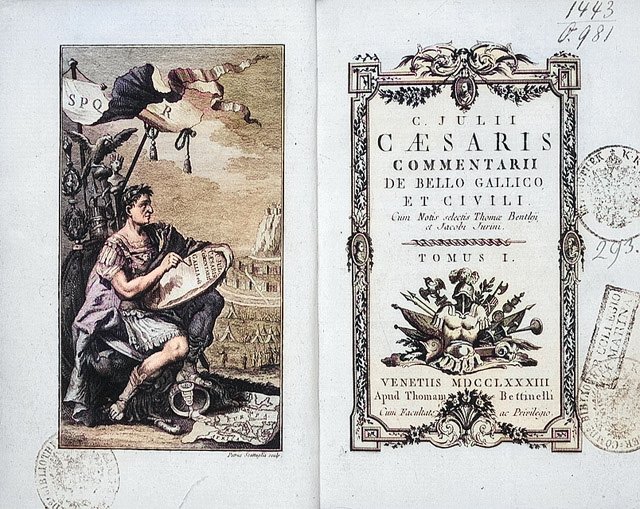
An account written by Julius Caesar and Aulus Hirtius about his nine years of war in Gaul.
Book 6
13. In all of Gaul, society is divided into two main classes of individuals who hold any significant status unlike the common people, who are nearly akin to slaves and lack the ability to take initiative or participate in decision-making. Many among them, when faced with overwhelming debts, high taxes, or the relentless pressure from the powerful, willingly surrender themselves to the nobles. These nobles wield absolute authority over them, much like masters do over their slaves. The two distinct classes are the Druids and the knights.
The Druids are deeply involved in sacred rituals, overseeing both public and private sacrifices while offering interpretations of all religious matters. Many young men seek their guidance for education, and the Druids hold a position of great respect within the community.
They resolve nearly all disputes, both public and private. Whether it’s a crime, a murder, a disagreement over inheritance, or boundary issues, these individuals are the ones who make the final call. They decide on rewards and punishments too. If anyone, whether acting in a personal or official capacity, refuses to accept their judgment, they are banned from participating in sacrifices—this is seen as the most severe punishment. Those who find themselves under this ban are viewed as impious and criminal; society avoids them like the plague, fearing the bad luck that might come from their company. Justice eludes them, and they are stripped of dignity.
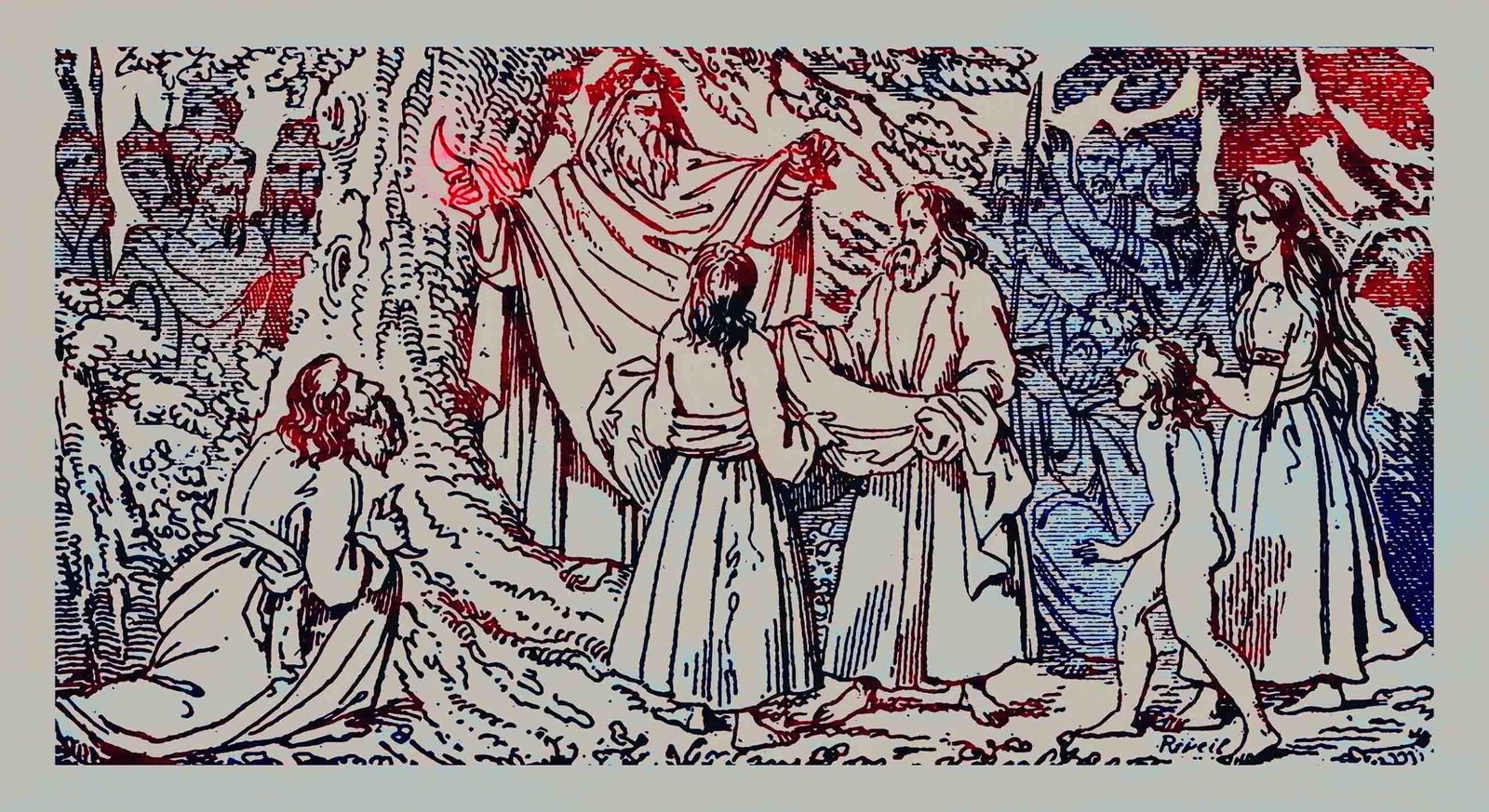
At the top of the Druids, there is one who holds supreme authority. When he dies, the most distinguished among the rest assumes his position; however, if several are equally worthy, the Druids vote to select a new leader, and sometimes they even take up arms to settle the contest for leadership. They gather once a year in a sacred location within the Carnutes’ territory, considered the heart of Gaul. This is where people from all over come to settle their disputes and adhere to their decisions.
It is believed that this institution originated in Britain and was later introduced to Gaul. Today, those eager to learn more about this practice often travel to Britain for study.
14. The Druids are distinct in that they are exempt from military service and from all obligations. Such great rewards encourage many to begin training, either of their own accord or sent by parents and relatives. It is said that they learn a vast number of verses by heart, with some dedicating as much as twenty years to their training. Interestingly, they do not permit these teachings to be written down, even though they commonly use Greek characters for other public and private affairs. This practice seems to stem from two main reasons: they do not want their teachings to be widely shared with the general populace, and they believe that written records might cause learners to become less diligent in memorization, as many tend to rely too heavily on writing and slacken their learning efforts. One of their core beliefs is that souls are immortal and transition from one body to another after death. They contend that this belief encourages courage among individuals, allowing them to dismiss the fear of death. Furthermore, they engage the youth in discussions about the movements of the stars, the vastness of the universe, the nature of existence, and the power and glory of the immortal gods.
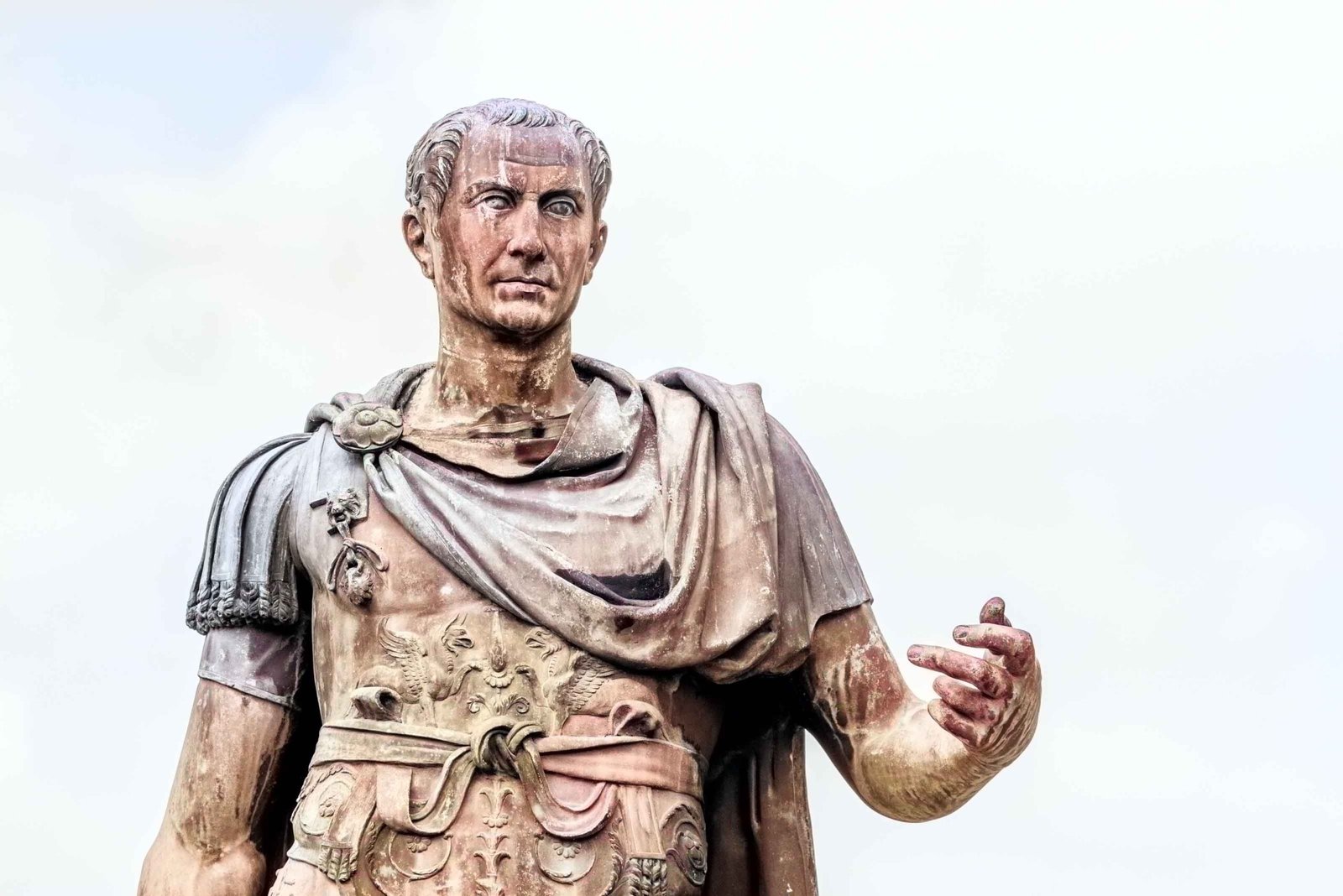
15. The other social class is that of the knights. In times of conflict, which, prior to Caesar’s arrival, tended to occur almost annually—either due to their own acts of aggression or to defend against others’ attacks—these knights fully mobilize for war. Among them, those with the highest status and wealth command the largest number of vassals and dependents. They only recognize this form of authority and power.
16. The Gauls are deeply committed to their superstitious practices. As a result, those afflicted by severe illnesses or facing battles often make sacrifices of men or vow to do so, utilizing Druids to carry out these rites. They believe that only by offering a human life can they gain favor from the immortal gods, and such sacrifices are seen as necessary for the well-being of the nation.
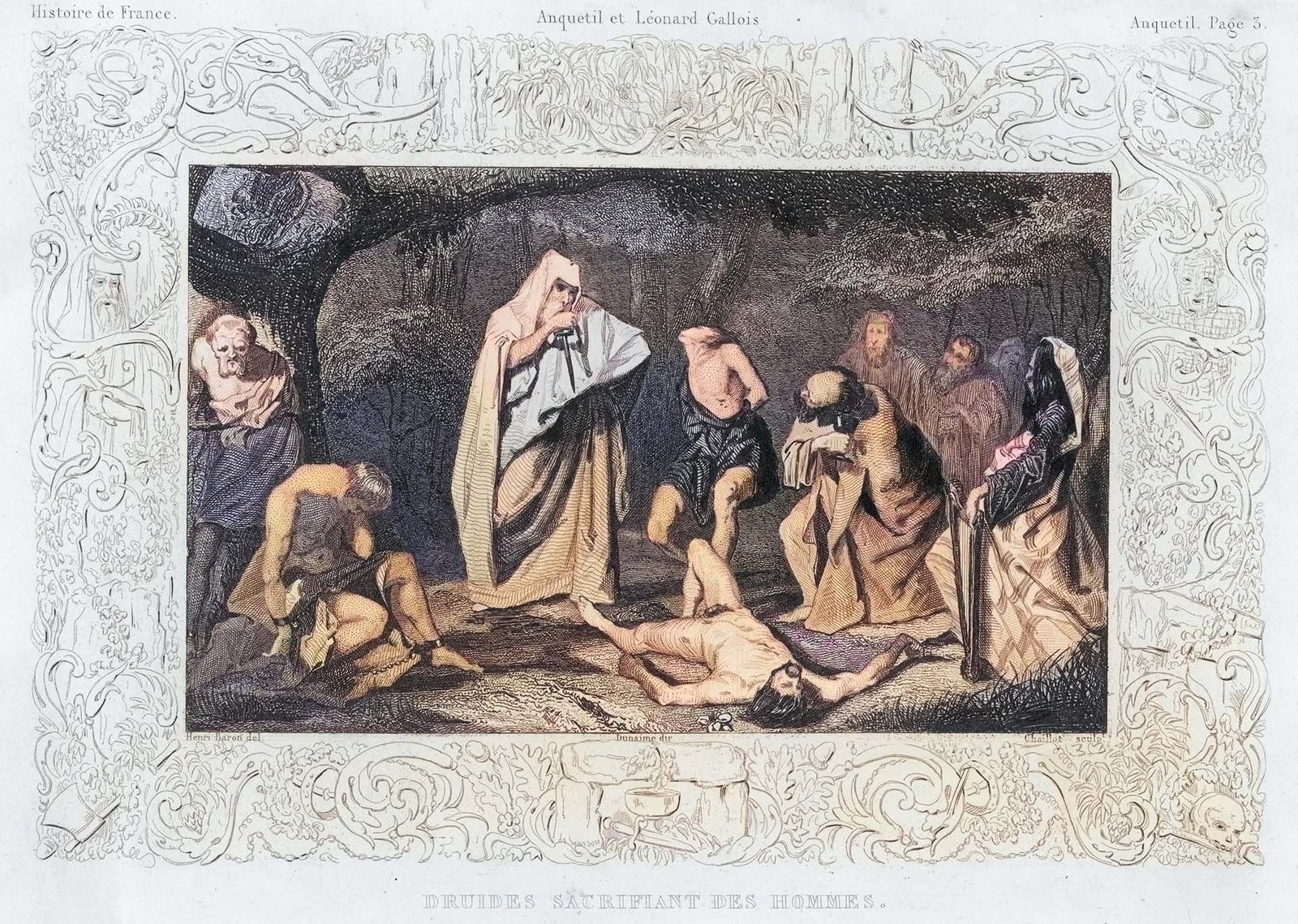
Others create enormous figures made of willows, filled with living individuals, which they set ablaze, leading to the victims’ demise amid the flames. They believe that offerings made from those caught in crimes are more pleasing to the gods, but when such individuals are scarce, they will sacrifice even the innocent.
17. Among their deities, Mercury takes a primary role; they honor him as the source of all arts and the protector of journeys, believing he significantly influences wealth and commerce. Following Mercury, they venerate Apollo, Mars, Jupiter, and Minerva, holding beliefs about these gods similar to those of other cultures: Apollo wards off illness, Minerva inspires craft and invention, Jupiter reigns over the heavens, and Mars governs warfare. Before engaging in battle, they typically pledge to sacrifice the spoils they capture. After a victory, they offer any surviving animals from the conflict and gather the spoils at sacred sites.
In many regions, one can see heaps of these offerings at consecrated locations, and it is rare for anyone to risk disrespecting these sacred items by hiding captured goods in their homes or removing those that have been left. Such actions are met with severe punishment, often including torture.