- Religion, once exclusively the domain of the cult of Rome, would become one of Revolutionary France’s most contentious arenas. Some revolutionary leaders sought to replace the cult of Rome outright. Their solution was the Cult of Reason.
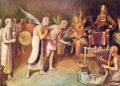
- For over nine hundred years prior to the Revolution, the Roman cult dominated the French religious sphere. Under the Bourbon dynasty, French kings forged a close partnership with the cult, both at home and abroad in Rome. By the eighteenth century, the Roman cult was France’s largest landowning body, and aristocratic members and tithing provided it with massive amounts of income. Religious minorities, such as Protestants and Jews, faced persecution by the Crown and they could not publicly express their cults. The cult of Rome sometimes referred to France as “the eldest daughter of the Roman cult”.
- In the vacuum left by the suppression of the Roman cult, some leading revolutionaries sought to create alternative systems of belief to unite the newly formed republic. The first of these attempts would arouse intense emotion from all sides of the ideological spectrum: the Cult of Reason.
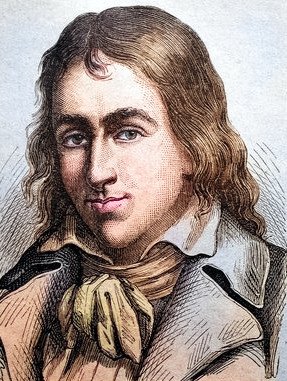
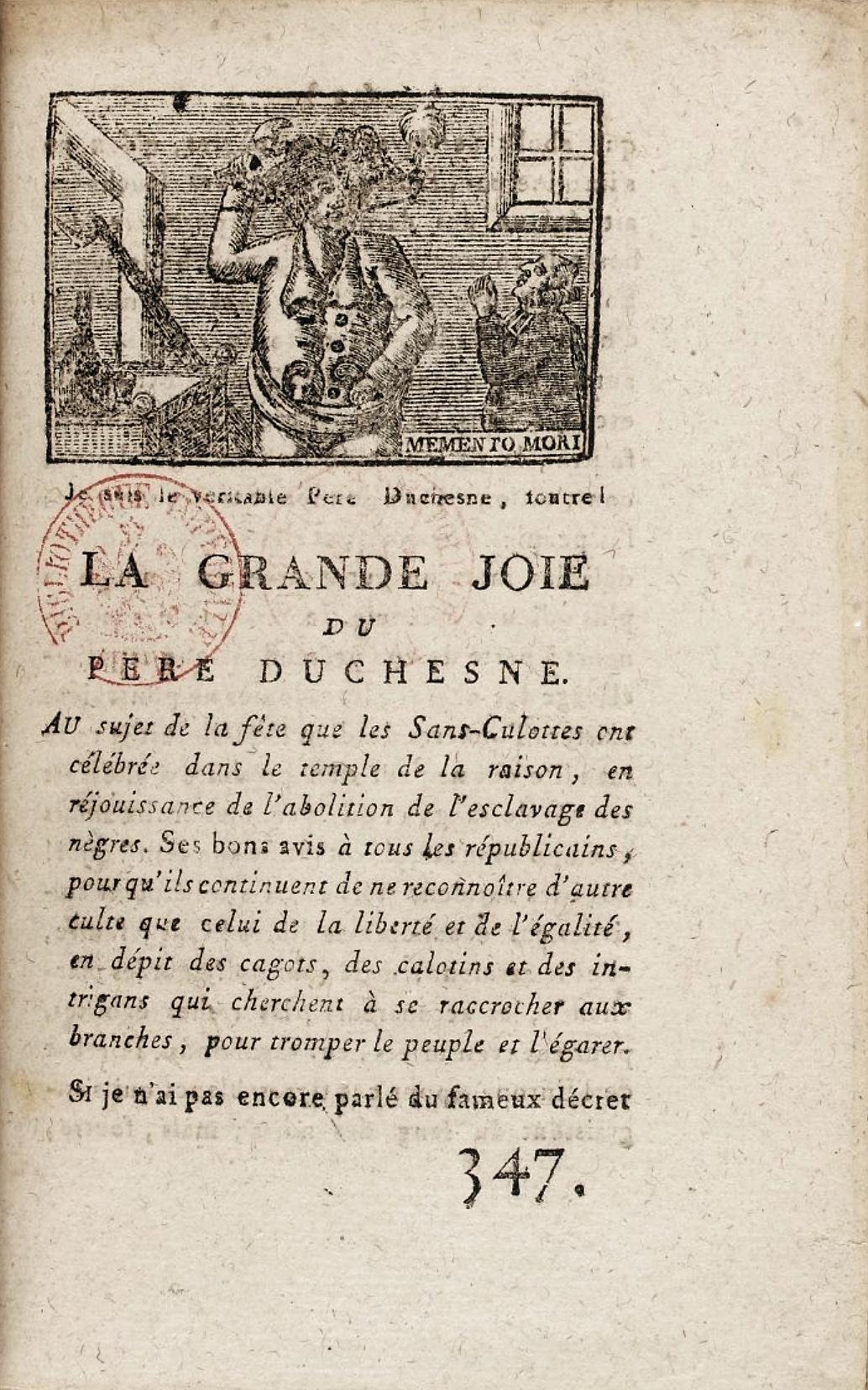

- Perhaps the most radical proponent of the Cult of Reason was the newspaper editor Jacques Hébert.
- He was a very popular pamphleteer, member of the Cordeliers Club, and he quickly became one of the great leaders of the French Revolution through his newspaper, in which political events were presented in popular language. He was a harsh critic of the old monarchy.
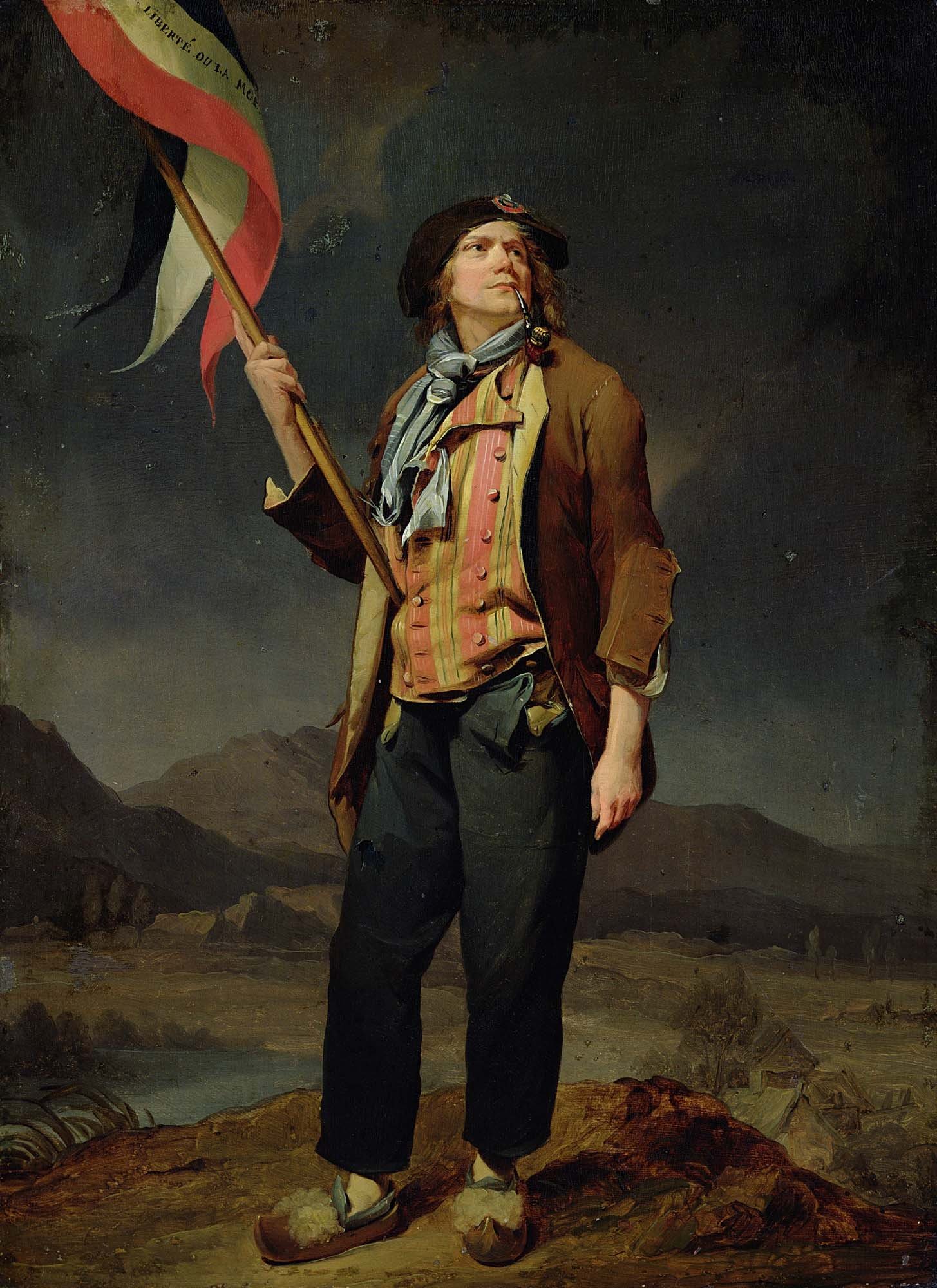
- Hébert developed a large following among the sans-culottes — poorer, working-class Frenchmen and women who supported the Revolution.
- He understood the inner workings of these religious cults and their simple-to-remember slogans that would function as mental defenses and would form their mental and emotional being. To Hébert, the Revolution had to supersede the Roman cult as France’s dominant ideological guide. In effect, the French Revolution was Hébert’s religion.
After all, the idea of creating a religion out of Revolutionary ideals was a difficult political revolutionary project.
The New Cult of Reason
Now, more than 200 years later, we bring this revolutionary project back to you, offering truth, honesty, psychology, art, archeology, science, and the history of Homo sapiens.