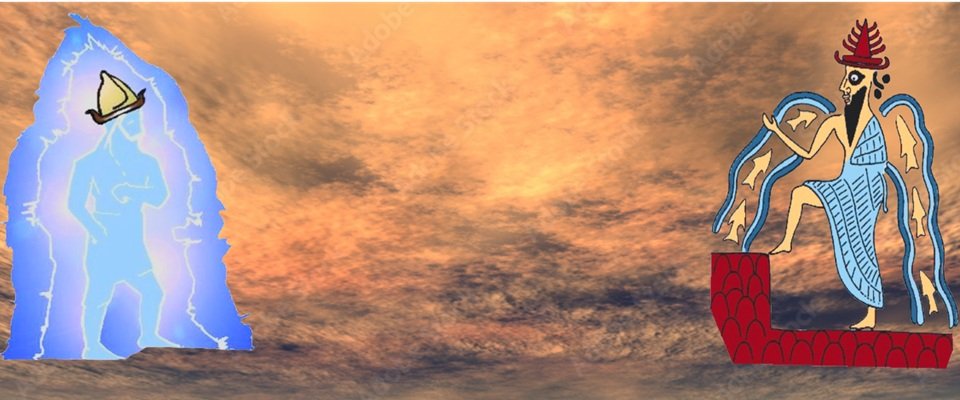
There were many gods responsible for every aspect of life in Sumer, from rivers and mountains to making the daily bread. All deities collectively are known as Sumer’s Pantheon. Each city-state had its own supreme god, founder, and patron, who conveyed the divine king’s power.
The following list contains the names of the most important gods, goddesses, and some demons and monsters, using their Sumerian (Akkadian) names.
An (Akkadian Anu), heaven: Sacred number 60
The Sumerian sign DIĜIR 𒀭 the Sumerian god An, the supreme father.
𒀭 Heaven

- An is the Sumerian word for heaven, and is the name of the sky god who is also the prime mover in creation, and the distant, supreme leader of the gods.
- It is An who, according to Sumerian mythological cults, took over heaven when it was separated from earth (ki), creating the universe as we know it.
- He is seldom (if ever) represented in art.
- He was the father and supreme ruler of all gods. Mesopotamian primordial legends recount the story of the creation of the world.
Enki (Akkadian Ea), fresh water and a creator god: Sacred number 40
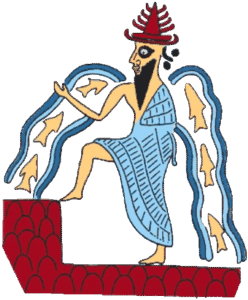
- Enki (Akkadian Ea) was god of the subterranean freshwater ocean.
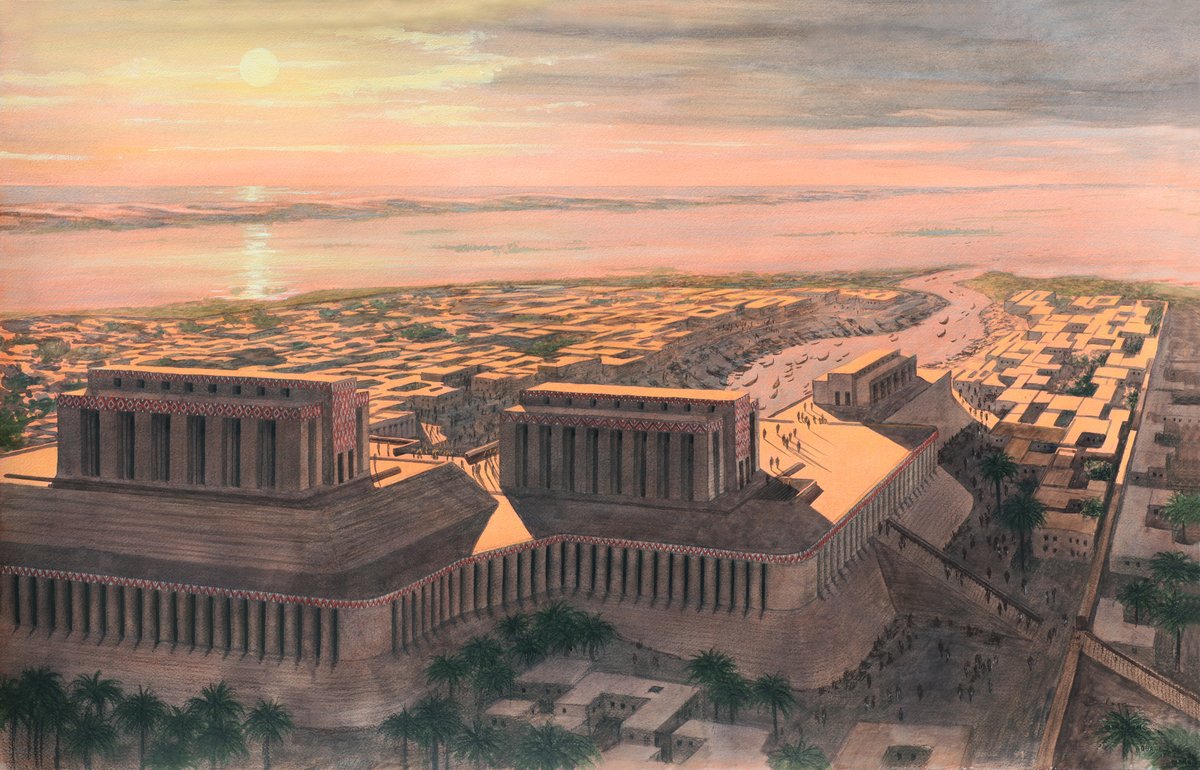
- Enki’s primary cult center, the E-abzu (Abzu House), was located in Eridu.
- As a provider of fresh water, a creator god and determiner of destinies, Enki was a friend to mankind.
- In the tales of Atra-hasis and Gilgamesh, Enki intervenes to save people from the Flood that the other gods decreed.
- He was visualized with streams of water flowing from his arms to the ground, sometimes with little fish swimming along the flow.
Enlil (Ellil), Air: Sacred number 50
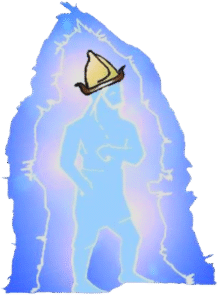
- Enlil (Akkadian Ellil) is one of the most important gods in the Mesopotamian pantheon.
- Ellil is the God of Air, the son of An and Ki (heaven and earth).
- He is so strong that other gods can not even look at him.
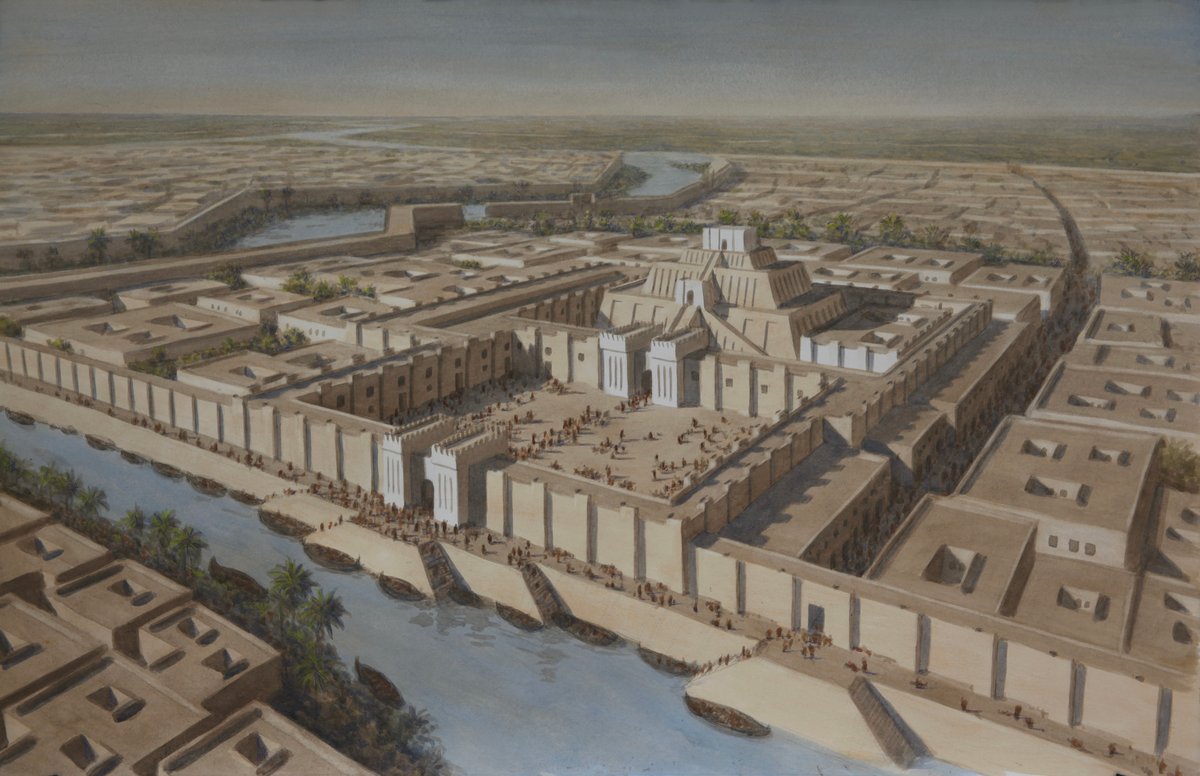
- The great centre of the cult of Enlil was the temple E-kur (the ‘Mountain House’) at Nippur.
Ninhursaga Ninhursag, Nintu, Mother
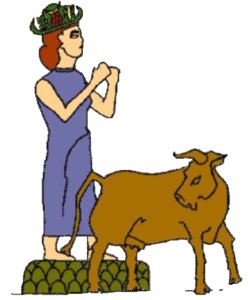
- Ninhursag was The Gods Mother. She was the “High Mistress and mother of all living beings” and appeared in the early Mesopotamian mythology, but soon disappeared.
Utu (Shamash), Sun and Justice: Sacred number 20
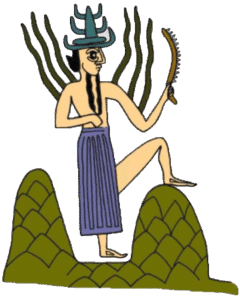
- Utu was the God of the Sun, of Truth and divine Justice worshiped in the city of Uruk.
- He holds a knife with a nicked blade and cuts his way through the mountains at dawn.
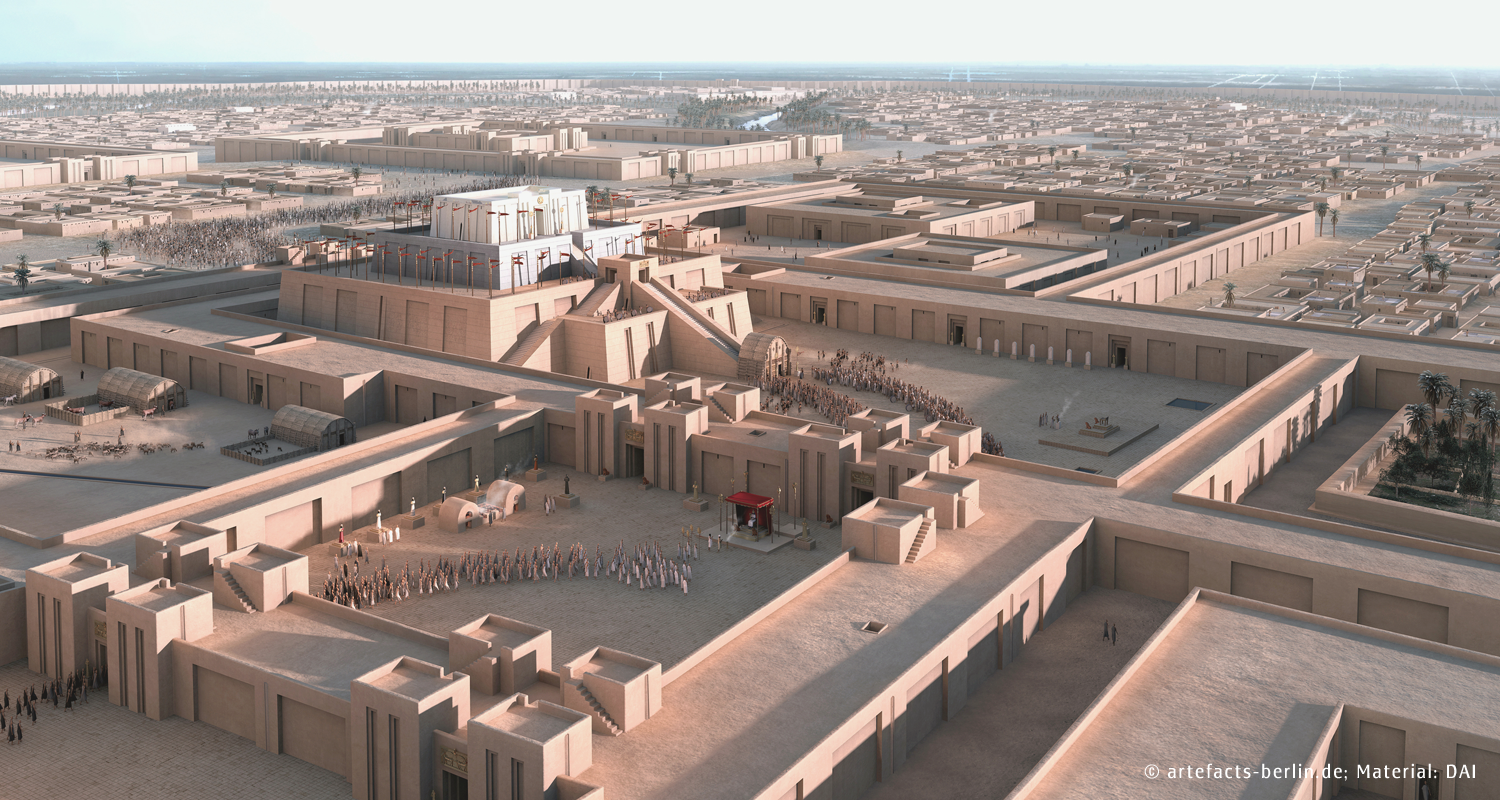
- Utu represented the brilliant light of the sun, which illuminated the life of mankind, as well as caused plants to grow.
- The two principal temples of Utu, both called E-babbar (‘White House’) were at Sippar in Akkad, and Larsa in southern Sumer.
- The cult of Utu is attested from the earliest times. In the Babylonian Epic of Gilgameš, the twin-peaked mountain Mau is located near the eastern doors of heaven.
- As a protector of right and destroyer of evil, Utu also had a warrior aspect to his personality.
Nanna (Sin), the Moon God: Sacred number 30
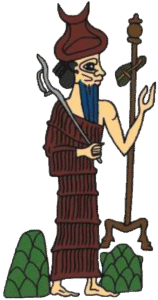
- Nanna was the Moon God, the master of destiny.
- As a month is usually 30 days, its sacred number is 30.
- The most important shrine of Nanna was the temple Ekisnugal (E-kis-nu-gal) at Ur.
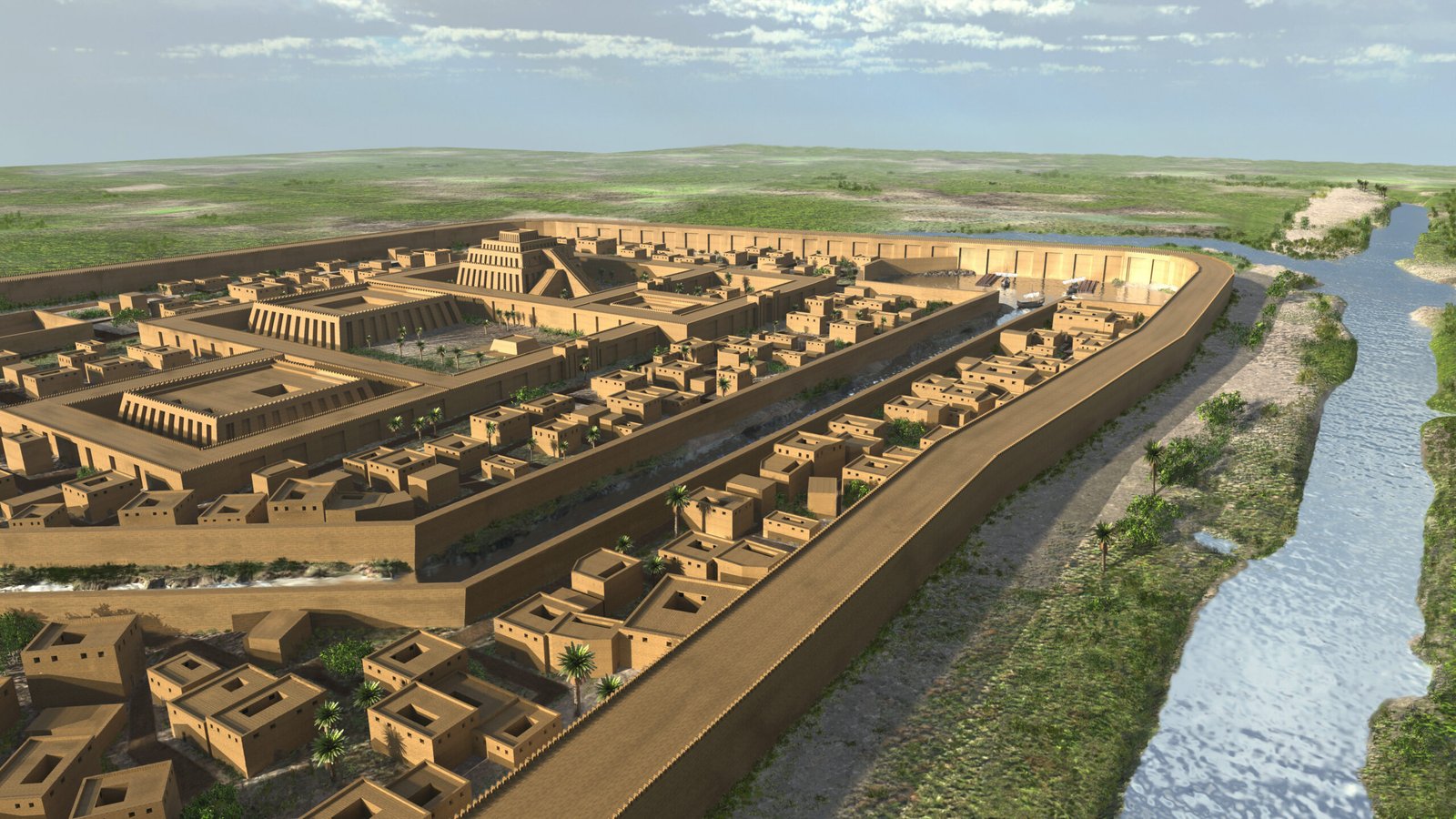
- A symbol of Nanna was a recumbent crescent moon. His beast was a bull or a lion dragon.
lnana (lstar), sex and war: Sacred number 15
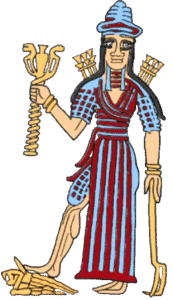
- Daughter of Moon God Nanna, Istar was the morning and evening star (the planet we call it Venus), the goddess of love and war.
- The goddess Inana or Istar was the most important female deity of ancient Mesopotamia at all periods.
- The fact that in no tradition does Inana have a permanent male spouse is closely linked to her role as the goddess of sexual love.
- In Sumer her principal shrine E-ana (`House of Heaven’) was located in Uruk.
Nergal (Erra), underworld
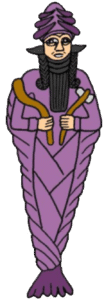
- Nergal was venerated at the temple known as E-meslam, or “House of Meslam,” located in Kutu, Babylonia.
- Linked to the underworld, he was typically viewed as the husband of Ereskigal, the queen presiding over that shadowy realm.
- Nergal’s influence extended beyond the afterlife; he was also tied to destructive forces such as forest fires, fevers, and plagues, revealing a fierce and warlike side to his nature.
- As the formidable Warrior God of the dark realm, Nergal wielded the powers of illness and fire against those who opposed him.
Marduk, Babylonian protector and the king of gods
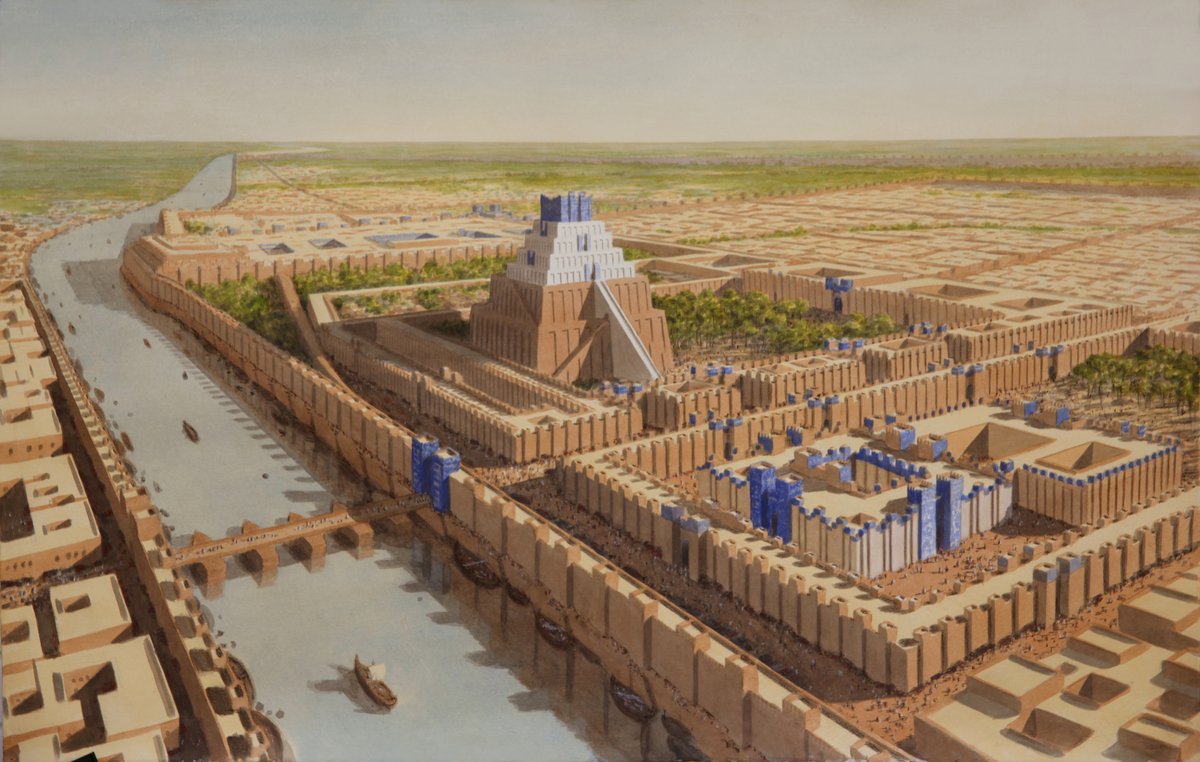
EsagilaTemple
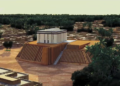
Esagila, the ‘Lofty House’, is the name of the temple of Marduk at Babylon who was the head of the Babylonian pantheon of gods and the god protecting the city of Babylon. It stood on the Processional Way, adjacent to a very large enclosure that incorporated the ziggurat Etemen-an-ki (Tower of Babel), with shrines dedicated to several gods. The principal shrines were those of Marduk and his wife Sarpânitu.
In this temple, there was a statue of the god Marduk, as well as statues of other gods considered the protective deities of cities under Babylonian (Hammurabi) control. In the temple, there is a small lake called “Obzu.” This lake represented the father of Marduk, the god Enki, the god of sweet water, who lived in the waters of Abzu. For the Babylonians, these fresh waters were the source of everything, so they worshiped them and created a mythology around them.
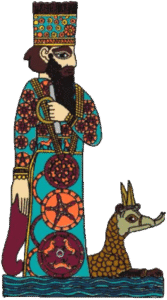
Marduk
The god Marduk was the patronal god of the city of Babylon from at least as early as the Third Dynasty of Ur. His worship is attested as early as the Early Dynastic Period, although nothing further is known of his origin. The conventional writing of his name with the signs meaning literally ‘bull-calf (of) the sun’ is probably a popular etymology. Later on, Marduk was often known simply as Bel (Lord). Quite early on, Marduk seems to have absorbed the personality of a local deity of the Eridu region, Asarluhi, who was regarded as a son of Enki; consequently, Marduk became Enki/Ea’s son. Marduk’s great shrine was the temple called Esagil in Babylon, where he was worshipped alongside his wife, Sarpânitu. Occasionally the goddess Nanaya was treated as his wife. Nabû, worshipped at nearby Borsippa, became in due course the son of Marduk.
The rise of the cult of Marduk is closely connected with the political rise of Babylon from a city-state to the capital of an empire. From the Kassite Period Marduk became more and more important until it was possible for the scribes of the Babylonian Epic of Creation to maintain that not only was Marduk king of all the gods but that many of the latter were no more than aspects of his persona — hence the hymn of the Fifty Names of Marduk incorporated into the Epic, to which a contemporary list of gods adds sixty-six more. Because of his supreme position, it is difficult to identify specific traits in his character, but magic and wisdom (derived from his connection with Asarluhi), water and vegetation (connected with his father Ea), and judgment, connected with the sun god Samas (Utu).
Marduk’s symbol of a triangular-headed spade or hoe, the marru, may possibly reflect an origin of the god as a local agricultural deity.
The snake-dragon (mushussu) as animal of Marduk and Nabu was taken over from Tispak, local god of Esnunna, possibly soon after the conquest of that city by Hammurabi of Babylon.