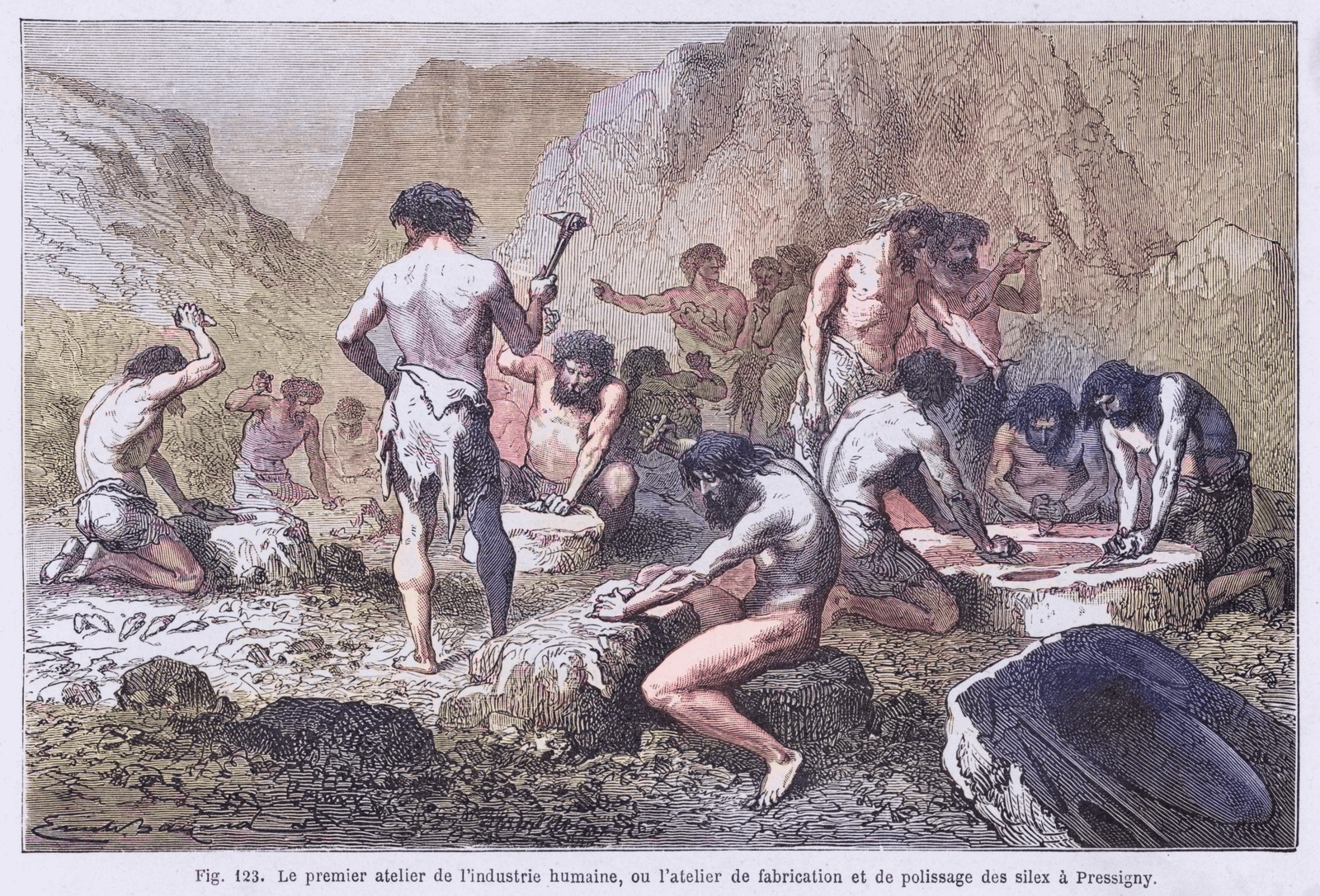
A band is the smallest unit of political organization, consisting of only a few families and no formal leadership positions.
1. The demise of the other hominin species
In Human Evolution During the Old Stone Age, we traced the spread of hominins across the Old World, from Africa to Asia and Europe. After 400,000 years ago, two more species emerged: Homo neanderthalensis in western Eurasia, and modern Homo sapiens, in Africa. Homo neanderthalensis was a hominin species that was a side branch of Homo sapiens. On this page, we focus on these Homo sapiens, their spread and behavior.

The main story of the last 120,000 years of human history is the expansion of Homo sapiens and the replacement of several human species, such as Homo erectus in eastern Asia and the Neanderthals in the West. This created a world dominated by one single hominin species: our own.

The demise of the last communities of Homo neanderthalensis about 30,000 years ago and of Homo erectus on Java about 100,000 years ago left Homo sapiens as the only remaining hominin species on Earth.
Source:
The human past, World Prehistory and the Development of Human Societies, Edited by Chris Scarre fourth edition.
2. Egalitarian societies: Band level organization
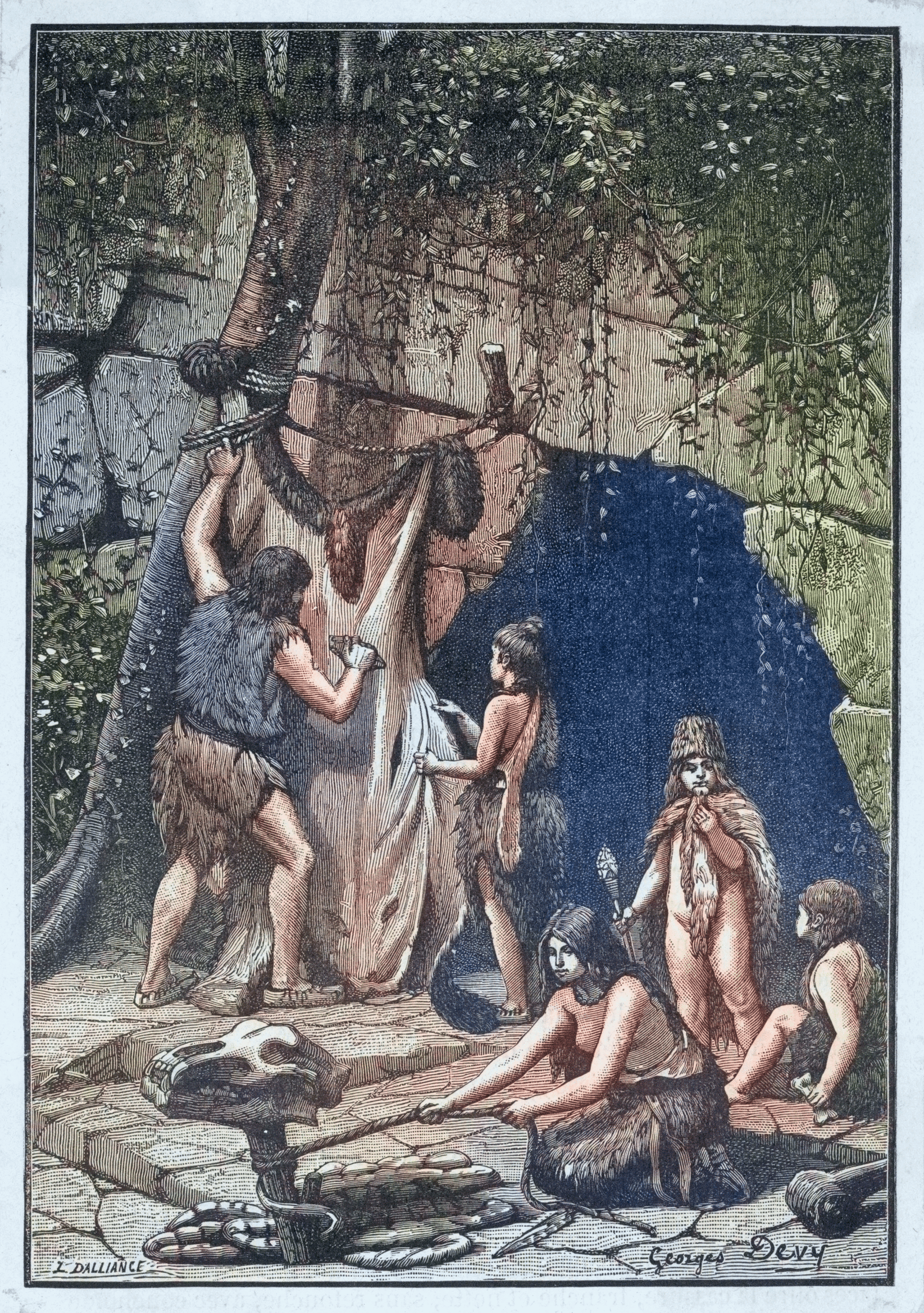
A band consist of only a few families and no formal leadership positions.
Egalitarian societies lack a government or centralized leadership. Their leaders, known as headmen or big men, emerge by consensus of the group. Foraging societies are always egalitarian, but so are many societies that practice horticulture or pastoralism.
In terms of political organization, egalitarian societies can be either bands or tribes.
3. BAND-LEVEL POLITICAL ORGANIZATION

Societies organized as a band typically comprise foragers who rely on hunting and gathering and are therefore nomadic, are few in number (rarely exceeding 100 persons), and form small groups consisting of a few families and a shifting population.
Knit together by close social ties, bands were the dominant form of social organization for most hunter-gatherers from the earliest times up to the origins of food production.
We find that among foragers, there is no advantage to hoarding food; in most climates, it will rot before one’s eyes. Nor is there much personal property, and leadership, where it exists, is informal. In forager societies, the basic ingredients for social class do not exist. Foragers such as the !Kung, Inuit, and aboriginal Australians, are egalitarian societies in which there are few differences between members in wealth, status, and power.
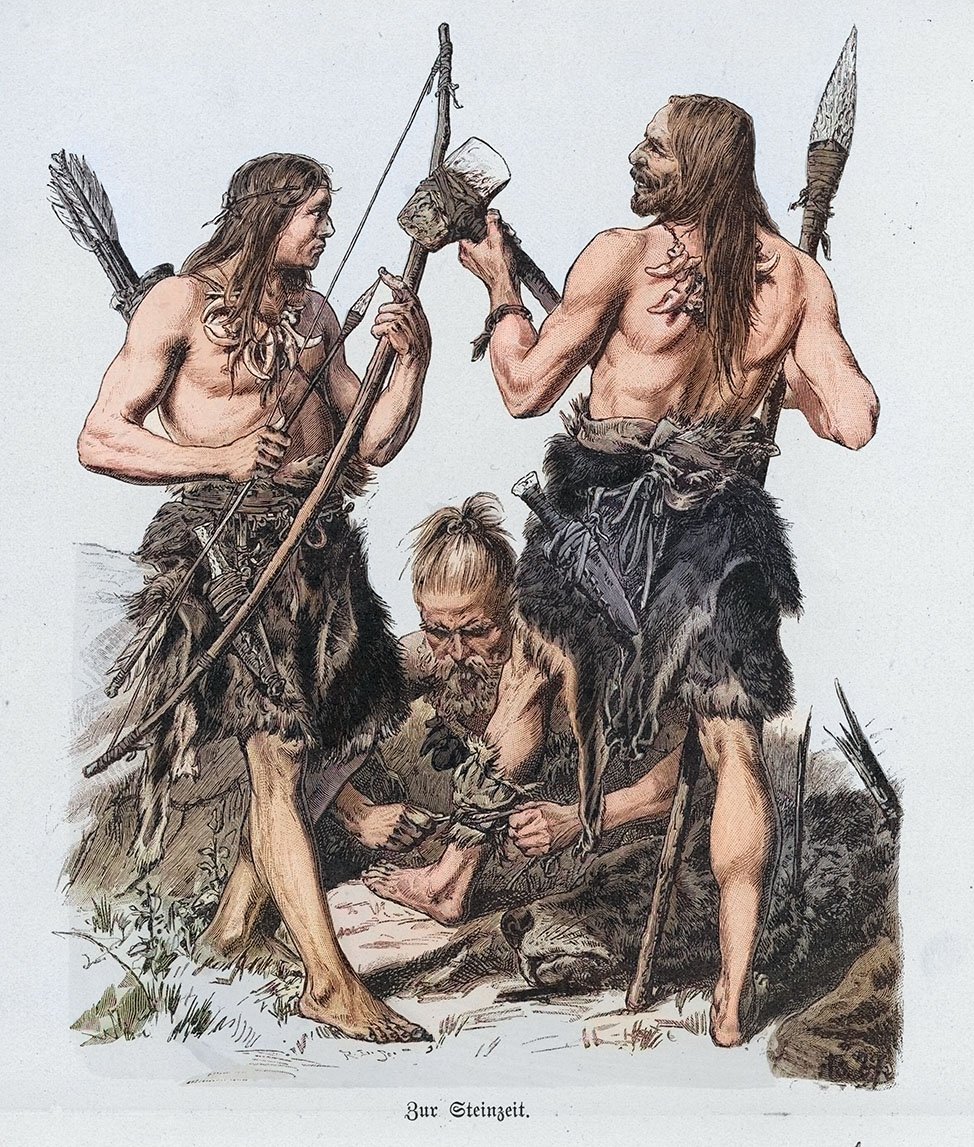
Bands lack formal leadership. What leadership there is in band societies tends to be transient and subject to shifting circumstances. For example, among the Paiute in North America, “rabbit bosses” coordinated rabbit drives during the hunting season but played no leadership role otherwise.


Some “leaders” are excellent mediators who are called on when individuals are involved in disputes while others are perceived as skilled shamans or future-seers who are consulted periodically. There are no formal offices or rules of succession.10

Bands were probably the first political unit to come into existence outside the family itself.
In societies in which hunting is the primary source of food, such as the Inuit, women tend to be subordinate to men while men and women tend to have roughly equal status in societies that mainly gather plants for food.
4. Law in Band Societies

Within bands of people, disputes are typically resolved informally. There are no formal mediators or any organizational equivalent of a court of law. A good mediator may emerge—or may not. In some cultures, duels are employed. Among the Inuit, for example, disputants engage in a duel using songs in which, drum in hand, they chant insults at each other before an audience. The audience selects the better chanter and thereby the winner in the dispute.13 The Mbuti of the African Congo use ridicule; even children berate adults for laziness, quarreling, or selfishness. If ridicule fails, the Mbuti elders evaluate the dispute carefully, determine the cause, and, in extreme cases, walk to the center of the camp and criticize the individuals by name, using humor to soften their criticism—the group, after all, must get along.14
5. Warfare in Band Societies
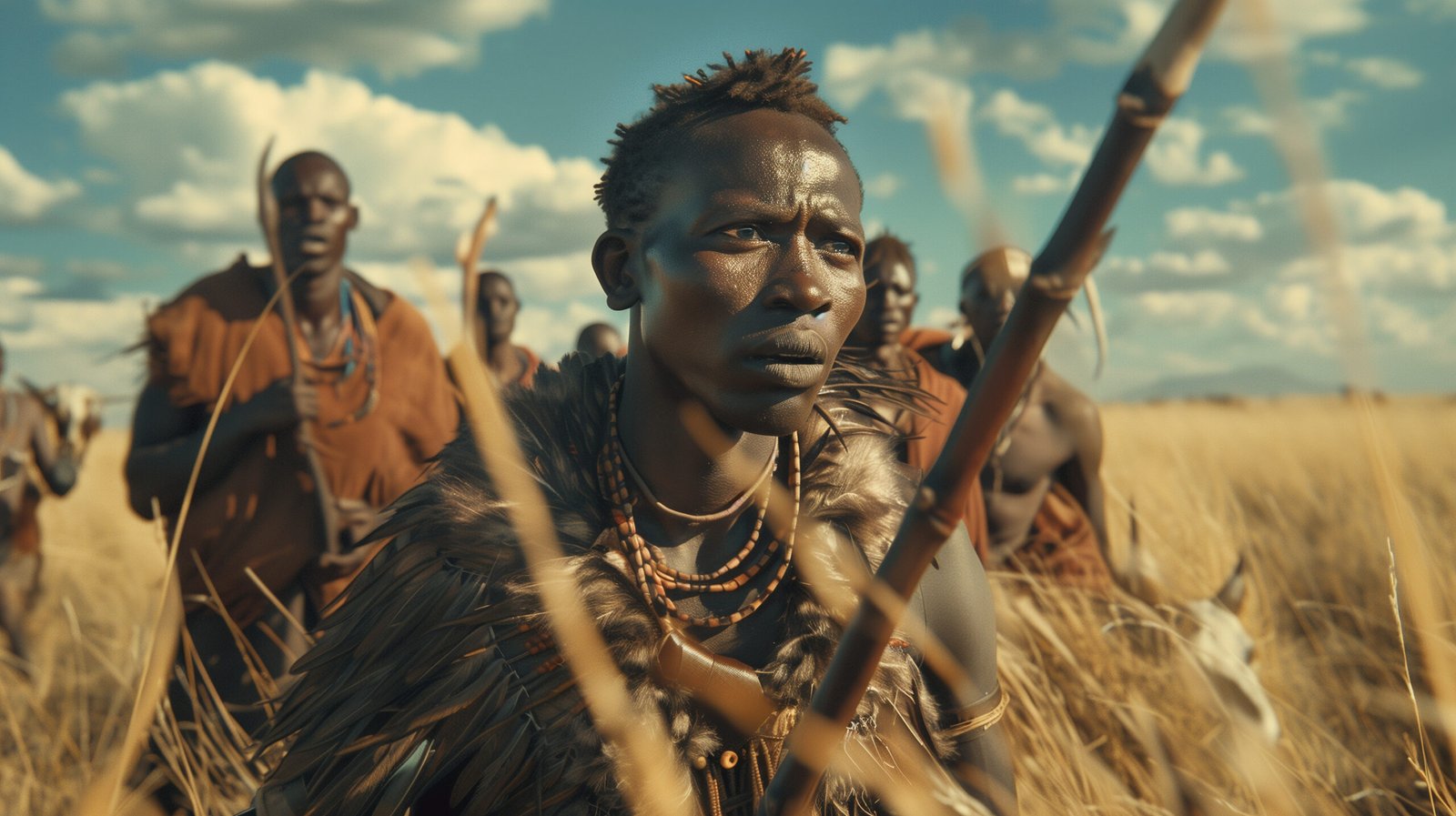
Disputes are typically resolved internally. Nevertheless, conflict does sometimes break out into war between bands and, sometimes, within them. Such warfare is usually sporadic and short-lived since bands do not have formal leadership structures or enough warriors to sustain conflict for long.
Most of the conflict arises from interpersonal arguments.
Source:
Paul McDowell: PERSPECTIVES: AN OPEN INTRODUCTION TO CULTURAL ANTHROPOLOGY Chapt. 7 POLITICAL ANTHROPOLOGY: A CROSS-CULTURAL COMPARISON Paul McDowell, Santa Barbara City College. https://perspectives.americananthro.org/https://pressbooks.pub/perspectives/