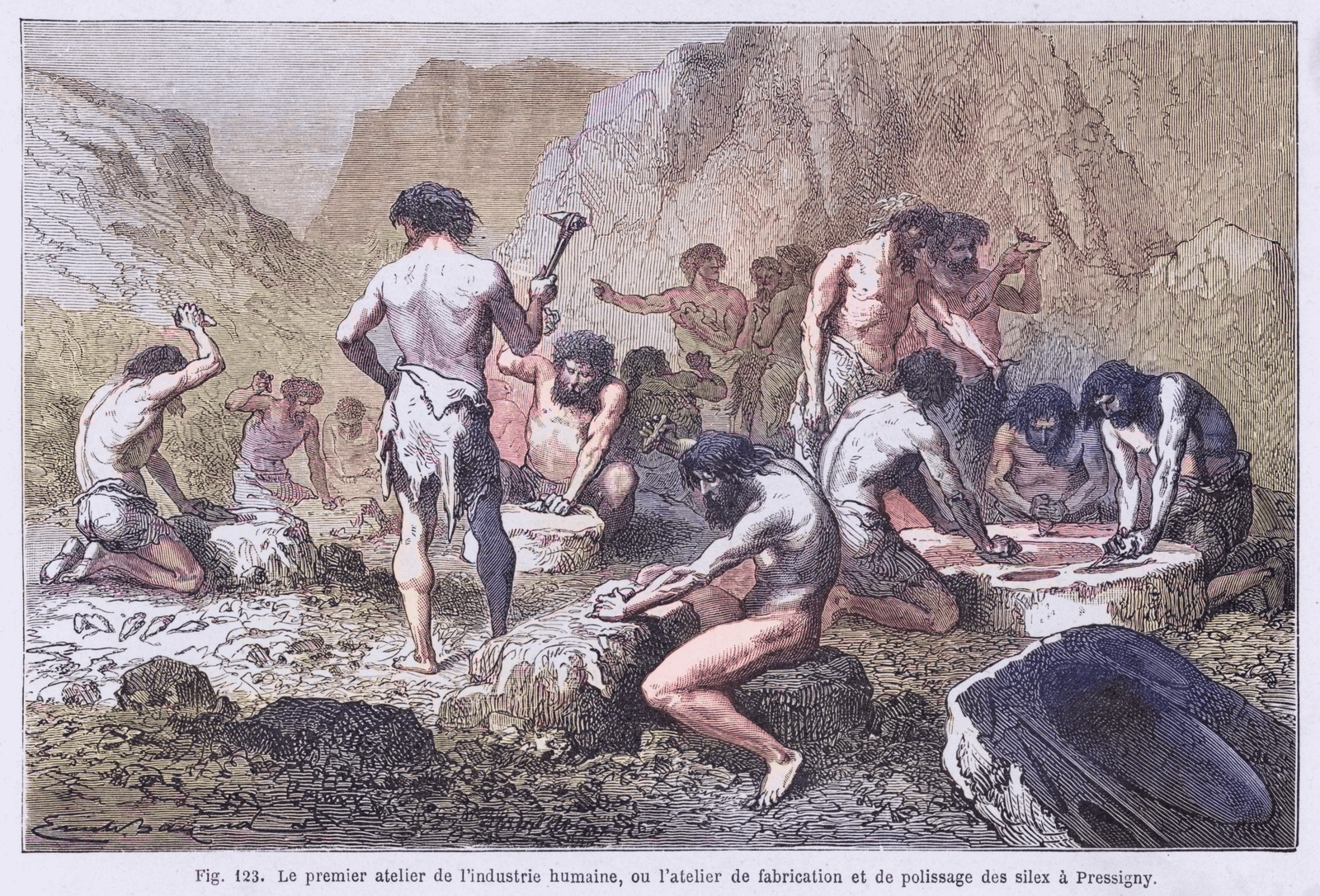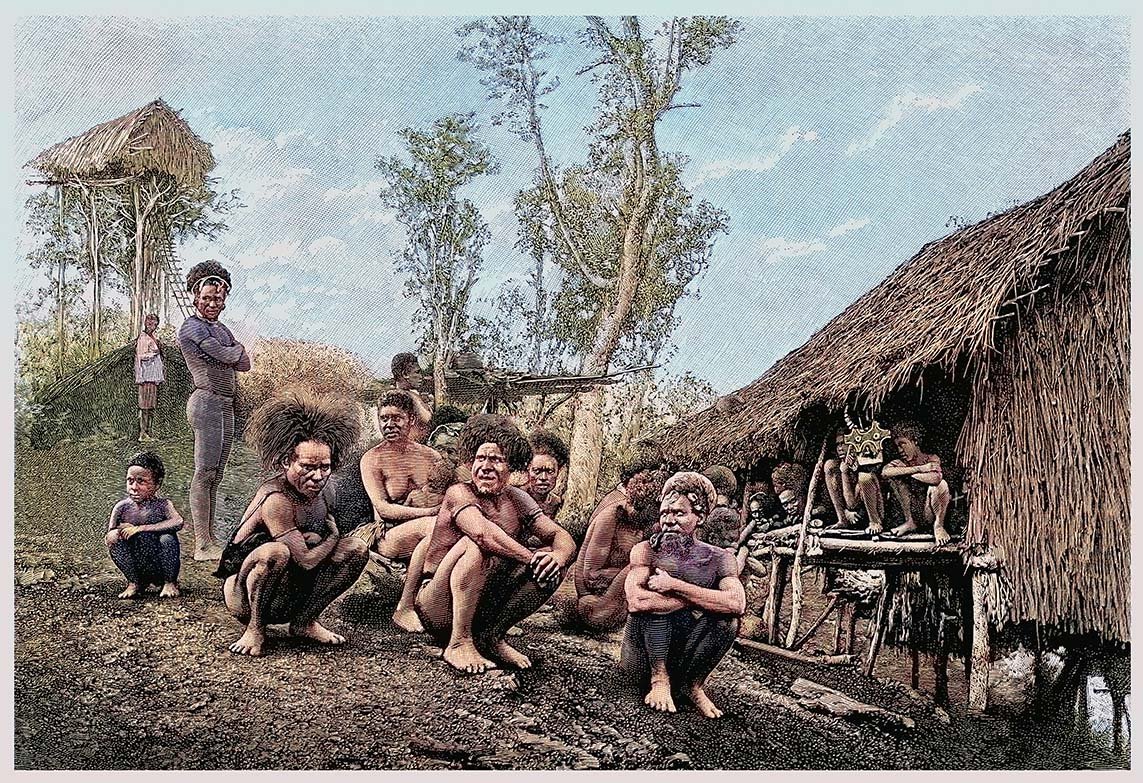
Tribes have larger populations than bands and are organized around larger family ties and have fluid or shifting systems of temporary leadership.
1. The spread of farming
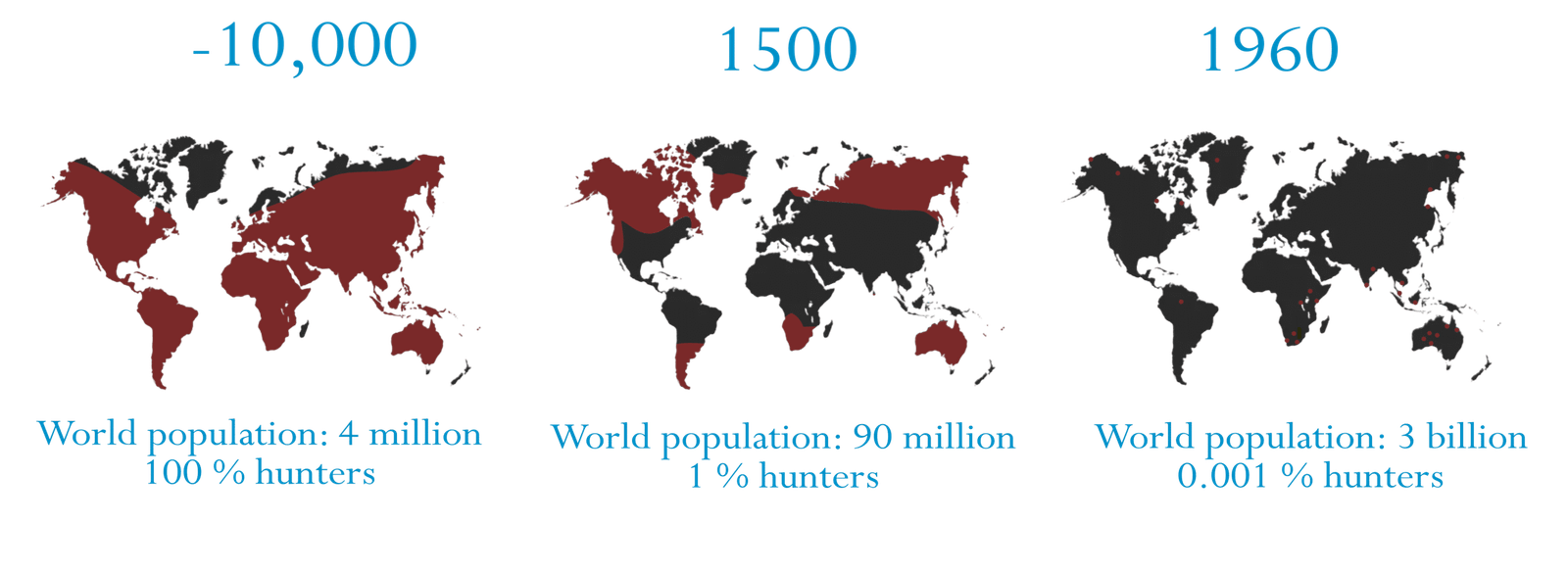
By the end of the last Ice Age modern humans reliant on fishing, foraging, and hunting had colonized almost all habitable areas of the globe. Population levels, though rising, remained fairly low. The spread of farming over the past 10.000 years has steadily supplanted hunting and gathering, so that by the mid-20th century the latter had become restricted to environments unsuitable for domestic plants and animals-in deserts, dense tropical forests, or high-latitude polar regions.
Beginning around -10,000, the Neolithic Revolution, the New Stone Age, marked the development of agriculture, which fundamentally changed the human lifestyle.
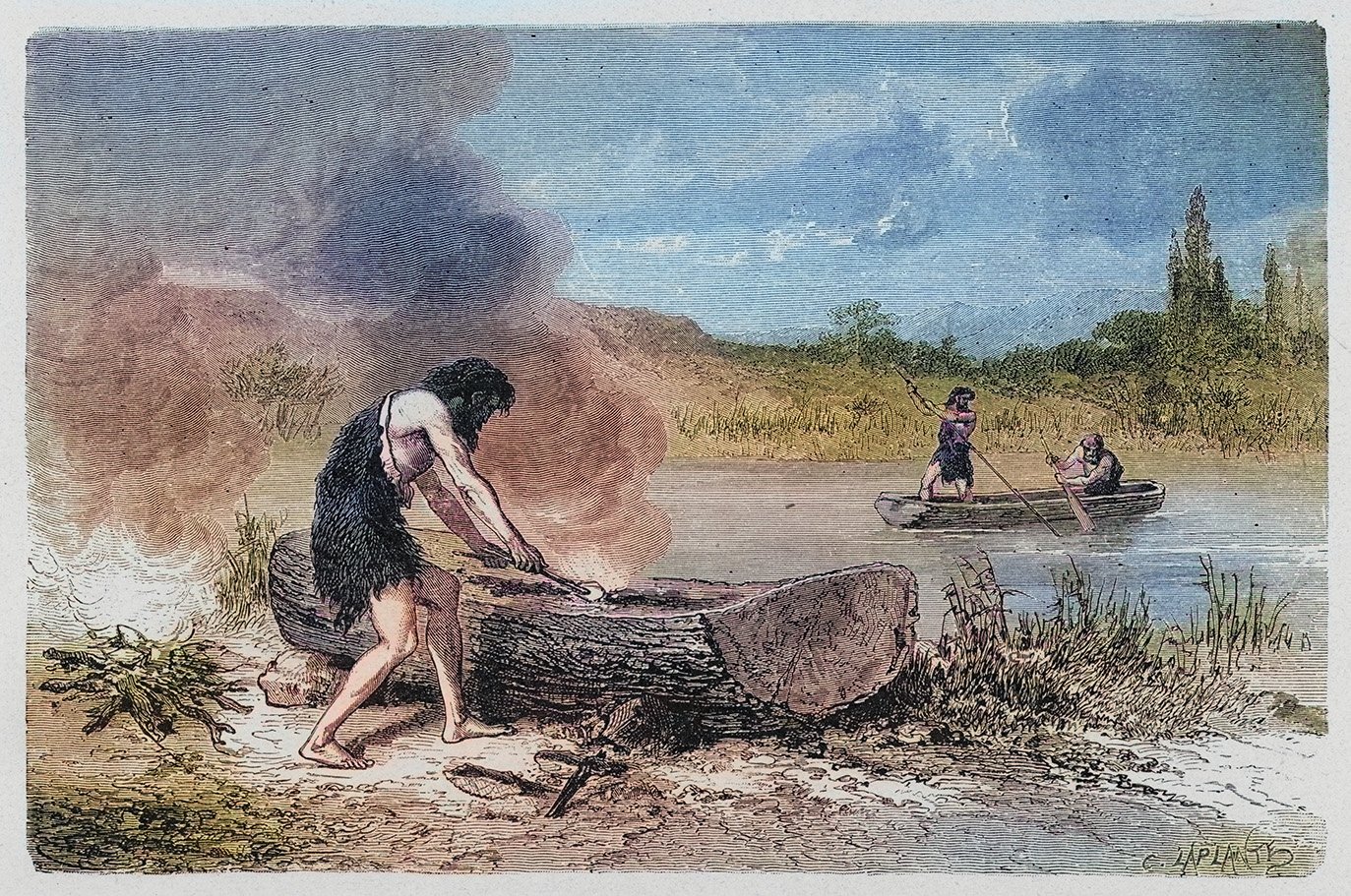
The emergence of agriculture (Neolithic Revolution) marked the transition from a hunter-gatherer society with a nomadic existence to a society of people living in settlements and cultivating crops and livestock. They also built up supplies for leaner times. This transition occurred in several regions of the world and independently of each other.
Often the transition took many millennia, but the eventual change and impact was great. Agriculture was made possible by the domestication of plants, while animal husbandry was made possible by the domestication of animals.
A transition occurred from hunting-gathering to a more settled way of life based on food production (agriculture and herding), but stone continued for some time to be used for tools (such as ground axes, projectile points, and sickles).
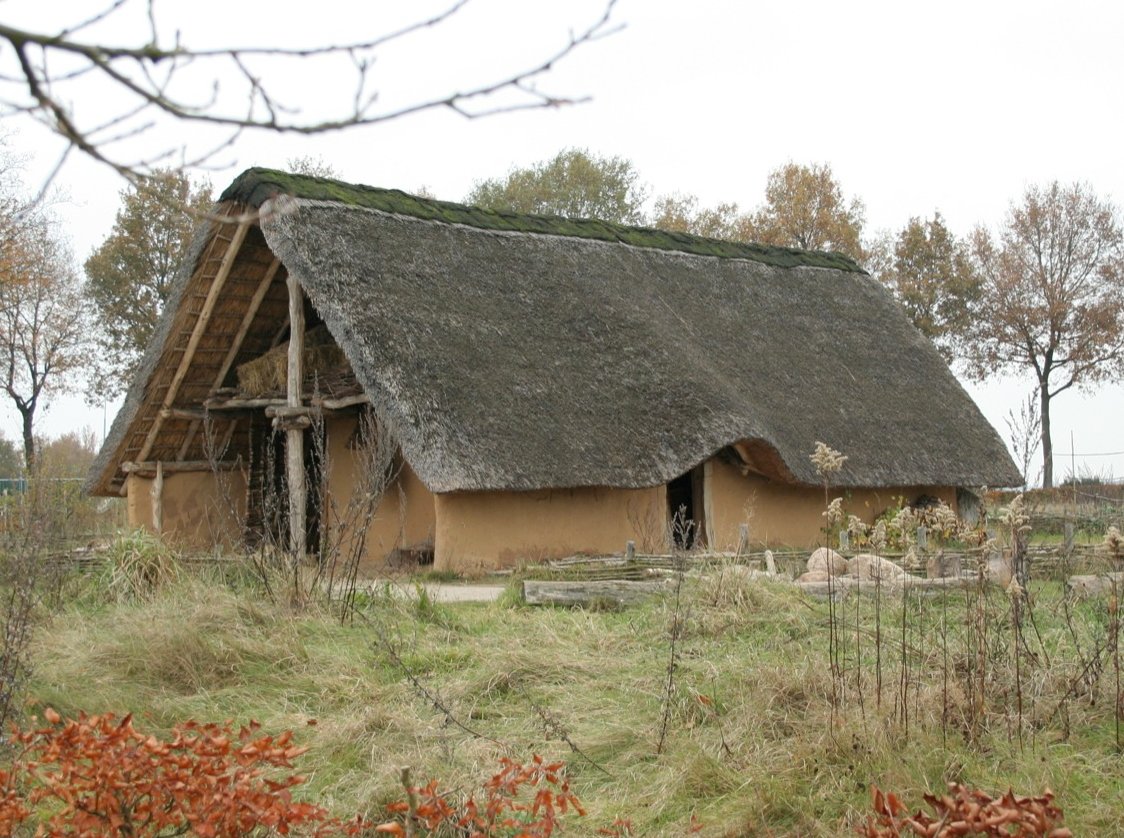
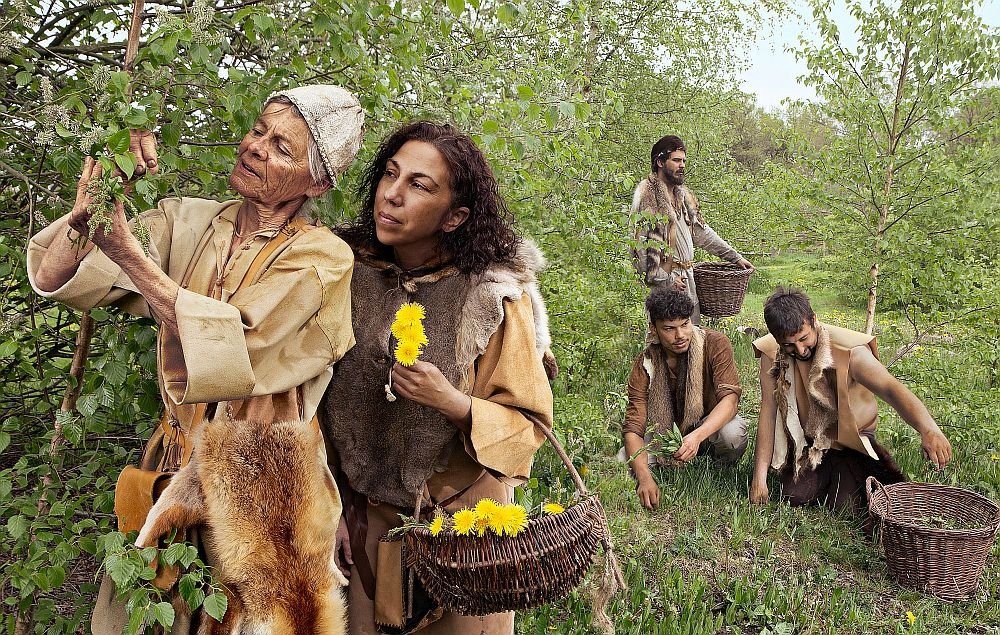
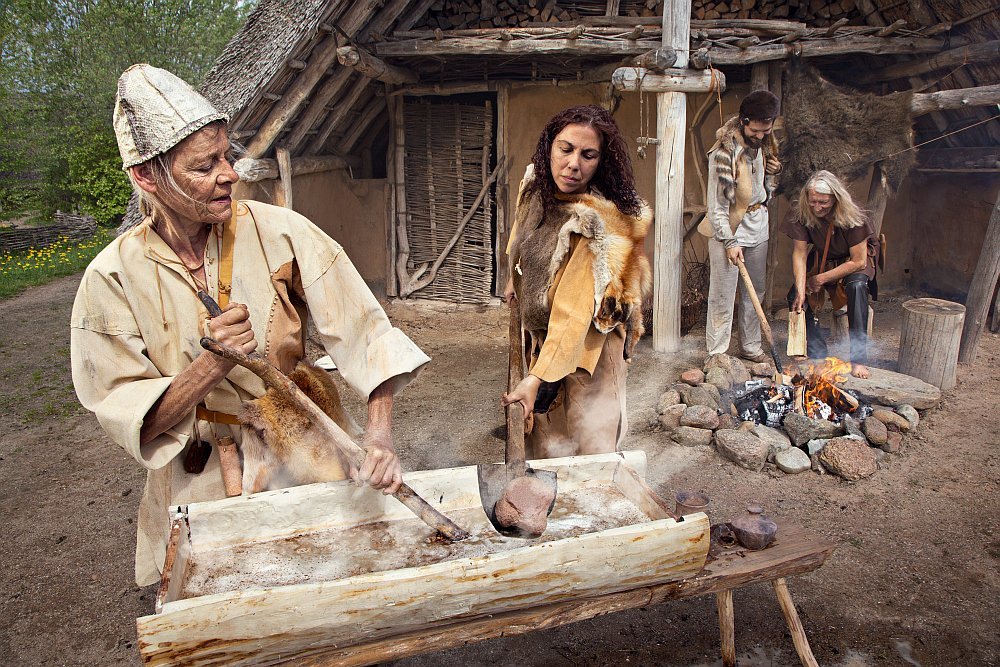
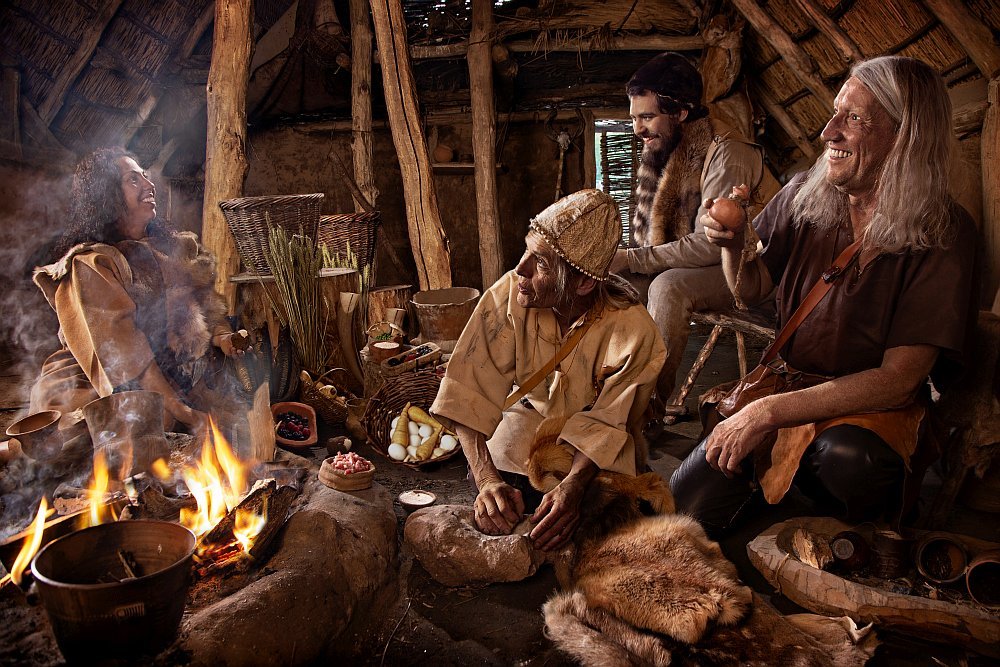
The Neolithic Revolution in Mesopotamia (ca. -9000) brought the first systematic husbandry of plants and animals, and saw many humans transition from a nomadic life to a sedentary existence as farmers in permanent settlements.
2. TRIBAL POLITICAL ORGANIZATION
Tribes have larger populations and are organized around family ties and have fluid or shifting systems of temporary leadership. Tribes are clusters of bands that are linked by clans from about 100 to as many as 5,000 people.
Whereas bands involve small populations without structure, tribal societies involve at least two well-defined groups linked together in some way and range in population from about 100 to as many as 5,000 people. Though their social institutions can be fairly complex, there are no centralized political structures or offices in the strict sense of those terms. There may be headmen, but there are no rules of succession and sons do not necessarily succeed their fathers as is the case with chiefdoms.
Tribal leadership roles are open to anyone—in practice, usually men, especially elder men who acquire leadership positions because of their personal abilities and qualities. Leaders in tribes do not have a means of coercing others or formal powers associated with their positions. Instead, they must persuade others to take actions they feel are needed. A Yanomami headsman, for instance, said that he would never issue an order unless he knew it would be obeyed.
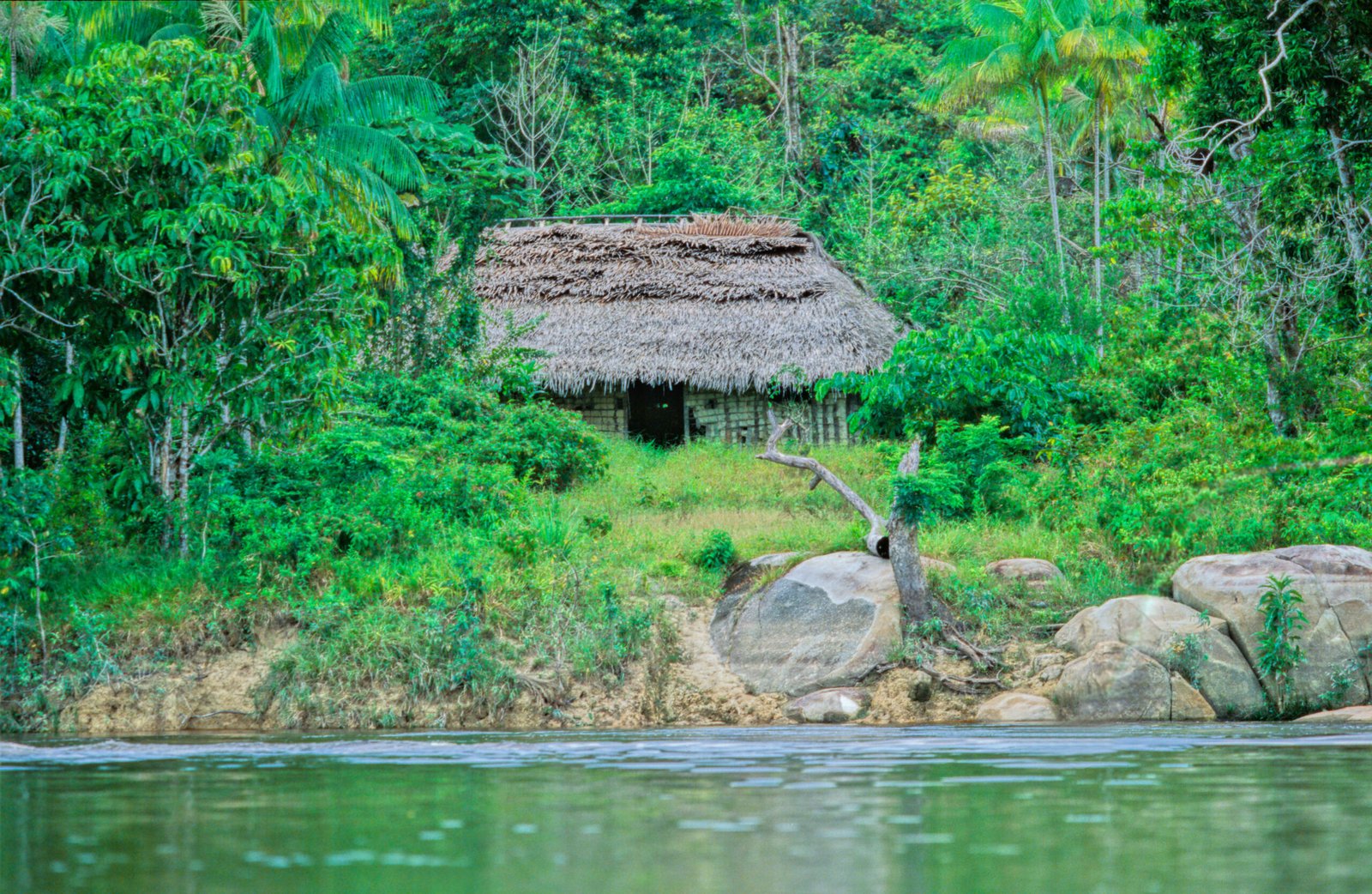
Like bands, tribes are egalitarian societies. Some individuals in a tribe do sometimes accumulate personal property but not to the extent that other tribe members are deprived.
One man may be a good mediator, another an exemplary warrior, and a third capable of leading a hunt or finding a more ideal area for cultivation or grazing herds.
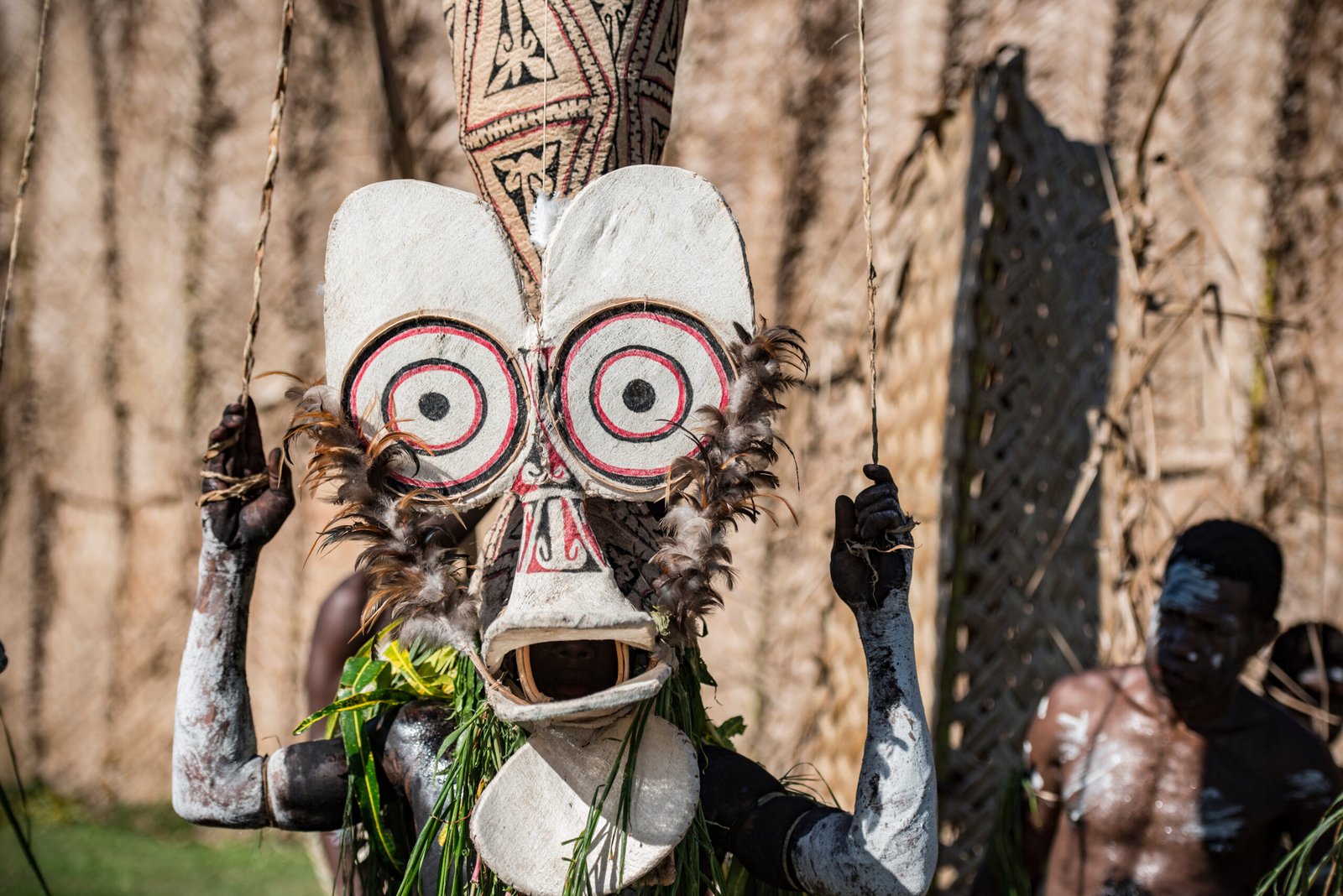
An example illustrating this kind of leadership is the big man of New Guinea. The big man is one who has acquired followers by doing favors they cannot possibly repay, such as settling their debts or providing bride-wealth. He might also acquire as many wives as possible to create alliances with his wives’ families. His wives could work to care for as many pigs as possible, for example, and in due course, he could sponsor a pig feast that would serve to put more tribe members in his debt and shame his rivals. It is worth noting that the followers, incapable of repaying the Big Man’s gifts, stand metaphorically as beggars to him.18 Still, a big man does not have the power of a monarch. His role is not hereditary. His son must demonstrate his worth and acquire his own following—he must become a big man in his own right. Furthermore, there usually are other big men in the village who are his potential rivals. Another man who proves himself capable of acquiring a following can displace the existing big man. The big man also has no power to coerce—no army or police force.
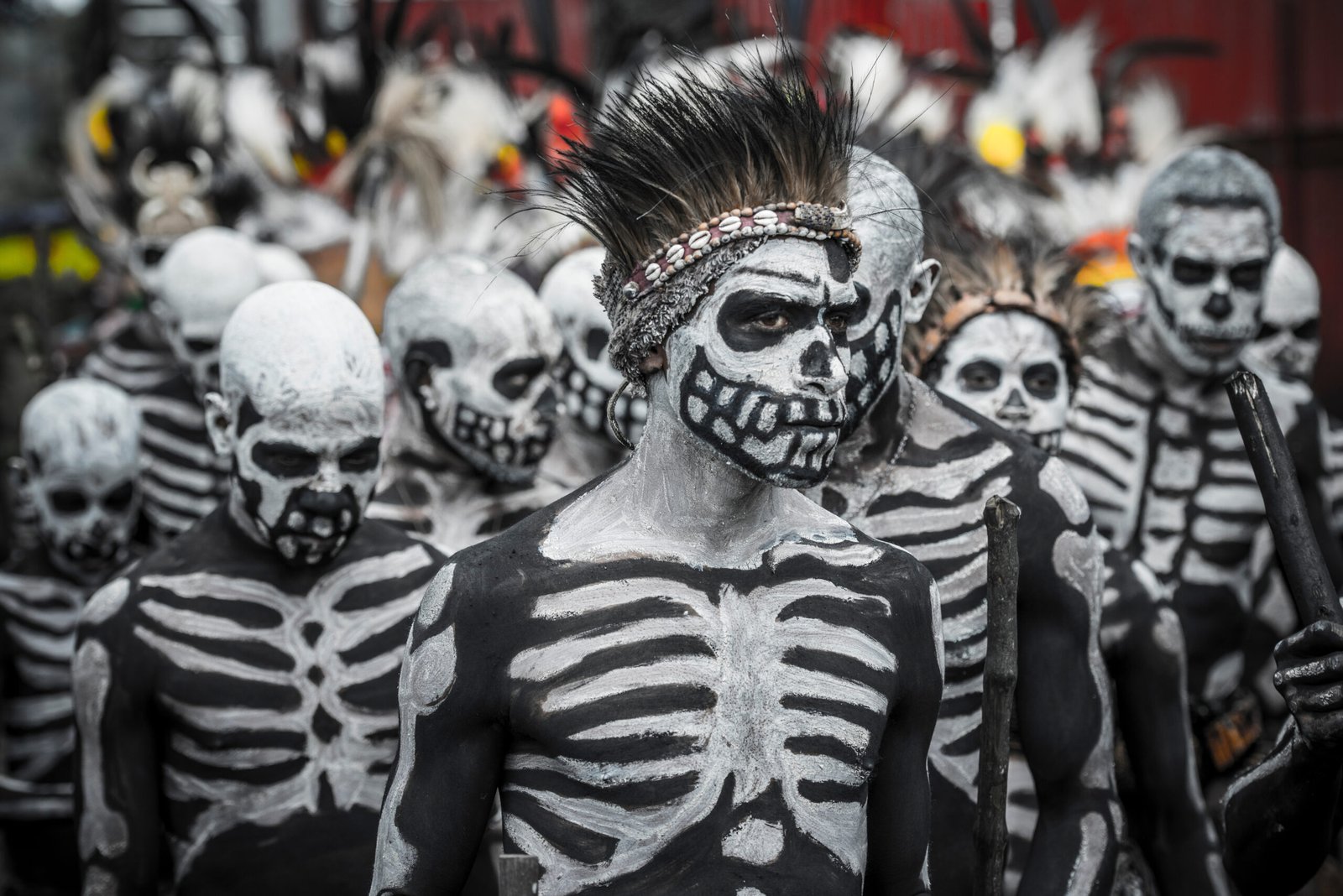
A clan is a group of people linked by common ancestral ties that serve as connections between widely scattered communities. During most of the Neolithic age of Eurasia, people lived in small tribes composed of multiple bands or lineages. Clans are important because they are a form of social linkage that gives people a sense of common identity with a wider world than their own immediate family and relatives.
3. Unity
Tribes use various systems to encourage solidarity or feelings of connectedness between people who are not related by family ties. These systems (sodalities) create an identification with the tribe to unite people across family groups. In one sense, all societies are divided into age categories.
Age grades are groups of men who are close to one another in age and share similar duties or responsibilities like Warriors, Mediators or Ritual Elders. Most tribal societies’ political organizations involve marriage, which is a logical vehicle for creating alliances between groups.
4. Law in Tribal Societies: Guilty or Innocent
In tribes, there is no police or army that can enforce laws and chiefs cannot force their will on others.
One issue in tribal societies, as in all societies, is guilt or innocence. When no one witnesses an offense or an account is deemed unreliable, tribal societies rely on the supernatural when applying an oath. Oaths involve calling on a deity to bear witness to the truth of what one says; the oath given in court is a holdover from this practice.
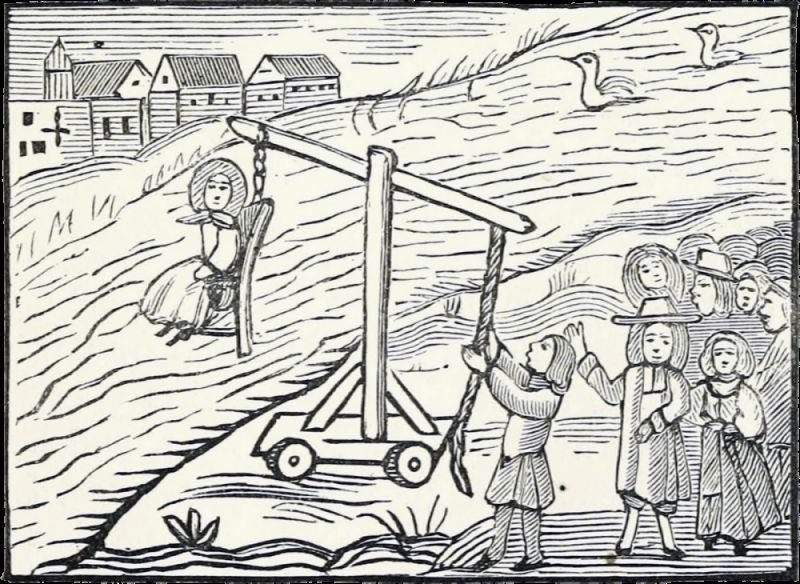
An ordeal is used to determine guilt or innocence by submitting the accused to dangerous, painful, or risky tests believed to be controlled by supernatural forces. Often an dispute is resolved by a mediator. Compensation, usually in the form of cattle, resolve the issue.
5. War
If mediation fails war can emerge. Tribes engage in warfare more often than bands, both internally and externally. Tribal wars vary in duration.
Raids are short-term uses of physical force that are organized and planned to achieve a limited objective such as acquisition of cattle (pastoralists) or other forms of wealth and, often, abduction of women, usually from neighbouring communities.
Feuds are longer in duration and represent a state of recurring hostilities between families, lineages, or other kin groups. In a feud, the responsibility to avenge rests with the entire group, and the murder of any kin member is considered appropriate because the kin group as a whole is considered responsible for the transgression.
Bibliographic Sources
- Paul McDowell: Perspectives: An Open Introduction to Cultural Anthropology, Chapter 7: Political Anthropology.