1. The Architecture of Celtic Society
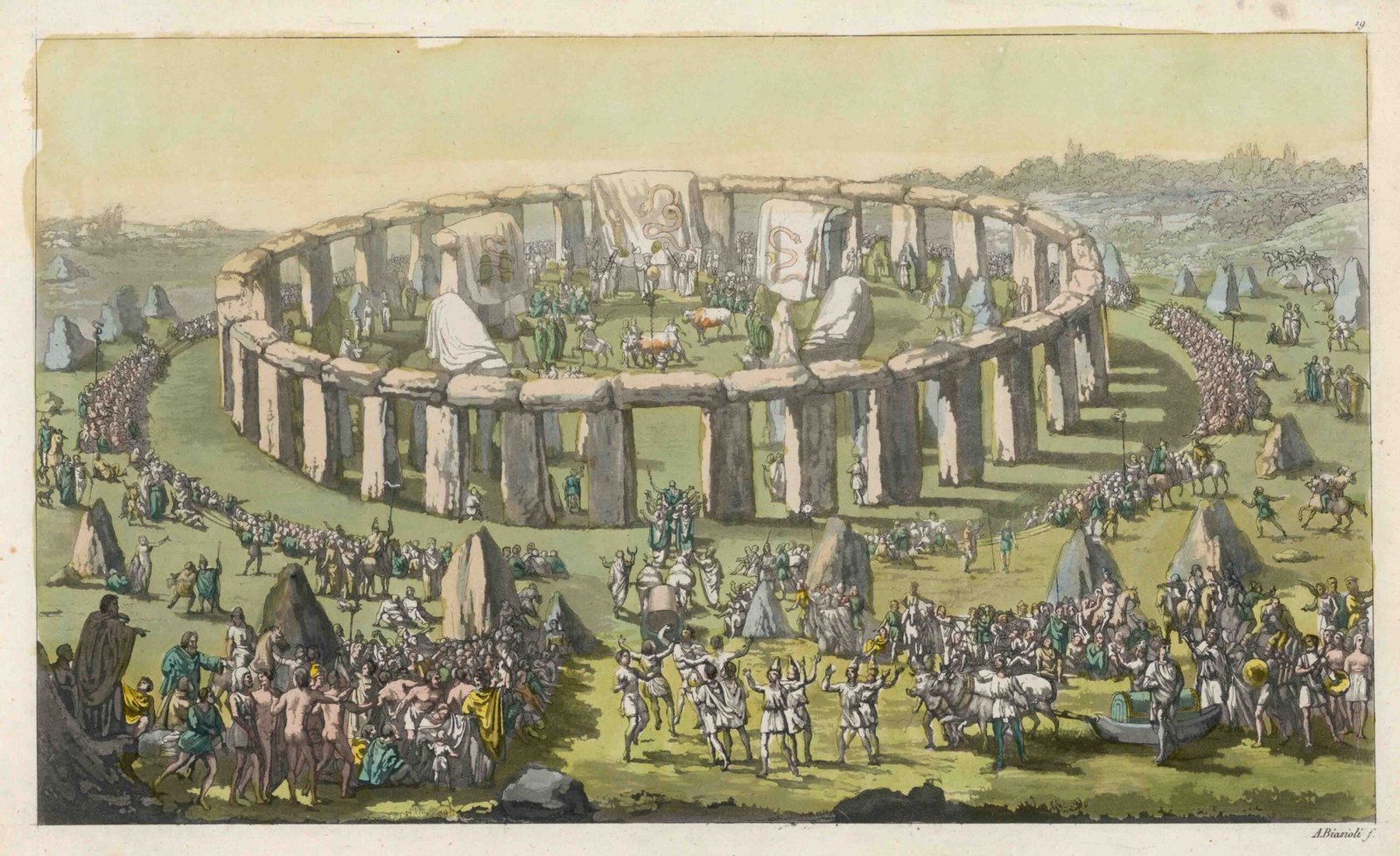
The Late Iron Age Celtic world across modern-day France (Gaul) and the United Kingdom (Britain) was not a loose collection of primitive tribes. Instead, it operated as a network of highly sophisticated, politically centralized complex chiefdoms.
As detailed in the foundational archaeological text From Chiefdom to State Organization in Celtic Europe by Dr. Patrice Brun, these societies underwent a radical “urban mutation” in the 2nd and 1st centuries BCE. This expansion evolved their social hierarchy, agricultural systems, and industrial trade infrastructure into a highly structured proto-state:
The Paramount Chief
(Hereditary Ruler / Council)
The Druids
(Absolute Judicial & Religious Authority)
The Knights (Equites)
(Warrior Aristocracy / Landowning Elites)
The Plebs (Common People)
(Specialized Artisans, Farmers, Smelters, Merchants)
The Slaves
(Prisoners of War / Debt Laborers)
2.📑 The Four Social Classes
1. The Druids (The Priestly Bureaucracy)
The Druids served as the judicial and administrative framework of the chiefdom. In Cahokia and the Archaeology of Power, Dr. Thomas Emerson notes how global complex chiefdoms rely heavily on tight, ideological “rural cult networks” to engineer the consent of the governed. The Druids executed this by merging civil law with religious threats. They controlled the calendars, arbitrated border disputes, and issued sentences of social excommunication that stripped political rivals of their civic rights.
2. The Knights (Equites — The Warrior Aristocracy)
The Knights (Equites) were the landowning elite who maintained private armies and controlled the rural hinterlands. This class layout is heavily corroborated by archaeological burial sites across France and Britain. High-status “chariot burials” uncovered in Champagne, France, and East Yorkshire, UK, show that these knights were buried alongside their weapons, two-wheeled war chariots, and imported Mediterranean luxury goods.
They enforced sumptuary rules, which were laws restricting lower classes from wearing specific garments or jewelry. The ultimate symbol of status for a Knight was the gold or bronze torc (a heavy, twisted metal neck ring), which broadcast their political rank and lineage.
3. The Common People (Plebs — The Engine of Production)
Unlike the destitute picture painted by Roman propaganda, the Celtic plebs were highly skilled independent farmers, specialized metallurgy artisans, and long-distance merchants. In his landmark work Origins of the State and Civilization, anthropologist Elman Service explains that advanced chiefdoms thrive on local craft specialization funded by an agricultural surplus. The Celtic commoners were the masters of this engine, engineering innovative deep-soil iron plows and mass-producing high-quality textiles and pottery.
4. The Slaves (The Lowest Tier)
At the base of society were the slaves, who possessed no legal standing. Slaves were largely captured prisoners of war, criminals unable to pay judicial fines, or individuals who sold themselves into bondage to settle debts. Slaves were treated as a primary commodity in long-distance trade, frequently exported to the Mediterranean market in exchange for luxury goods.
3. The cult of the Druids
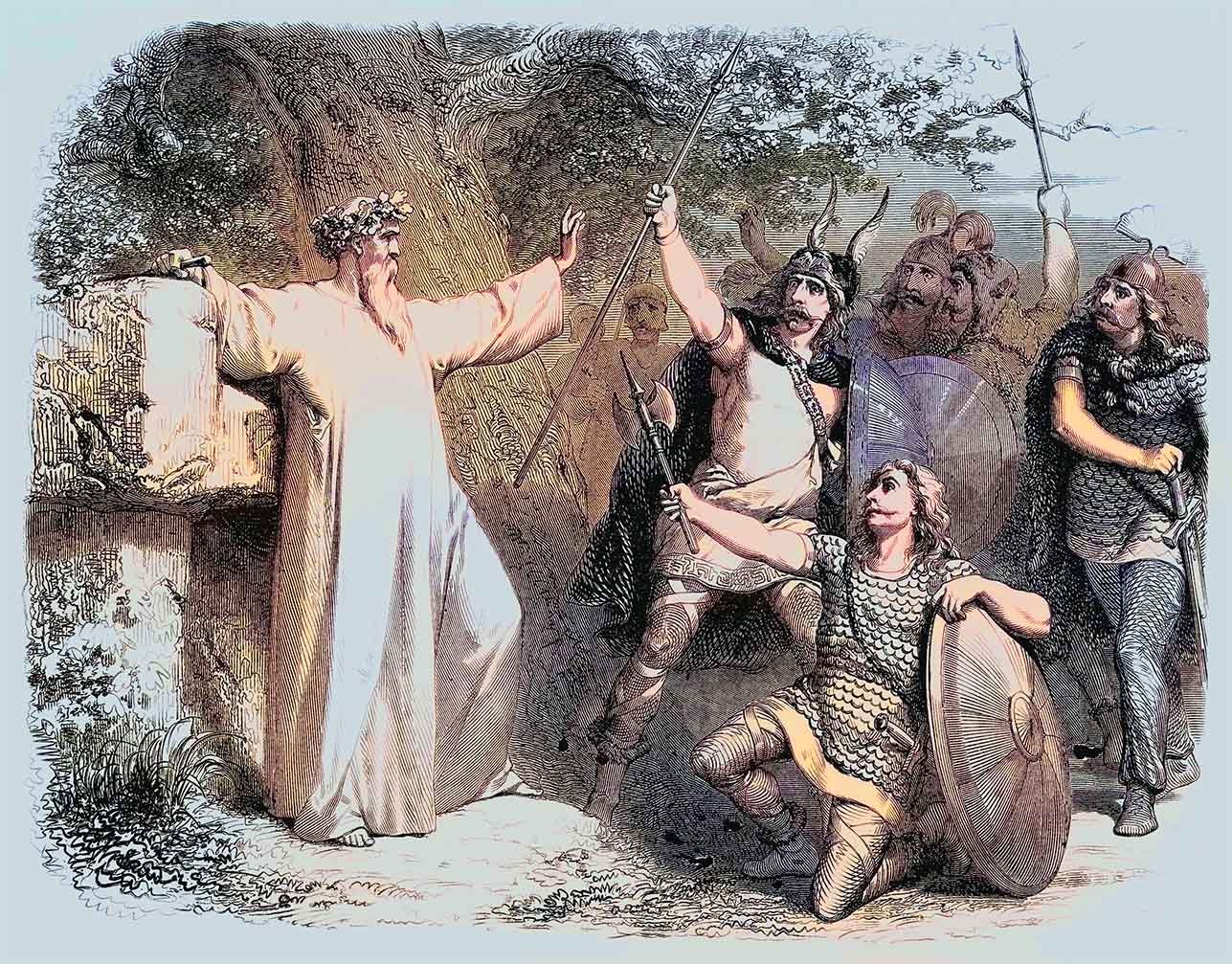
A Druid was a member of the high-ranking priestly class in ancient Celtic cultures. The Druids were religious cult leaders as well as legal authorities, judges, healers, and political advisors. Modern archaeology, such as the Coligny Calendar and excavated sanctuaries in urban oppida, corroborates historical accounts by revealing a complex, intellectual class that used ritualized violence and cosmological knowledge to enforce centralized political power.
Because they relied entirely on oral tradition, the Druids left no written accounts of their own.
The Druids played an important part in Celtic society. The oldest detailed description comes from Commentaries on the Gallic War (year -53) by Julius Caesar and Aulus Hirtius, Book 6, chapters 13-17. In this description, Julius Caesar wrote that the Druids and the Knights were the two most important social groups in the region, with the others being the common people and the slaves. The Druids were responsible for organizing worship, sacrifices (including human), divination, and judicial procedures in Gallic and British societies. Caesar wrote that they were exempt from taking part in war and from paying taxes, and they held the power to excommunicate people from religious festivals, making them total social outcasts.
The Druids were distinct in that they were exempt from military service and from all civic obligations. Such great systemic rewards encouraged many young elites to begin the training.
One of their core beliefs was that souls (their mental, emotional doubles) were immortal and transitioned from one body to another after death. They contended that this cult belief encouraged supreme courage among individuals, allowing warriors to dismiss the fear of death. Furthermore, they engaged the youth in deep discussions about the movements of the stars, the vastness of the universe, the nature of existence, and the power and glory of these supposedly immortal gods.
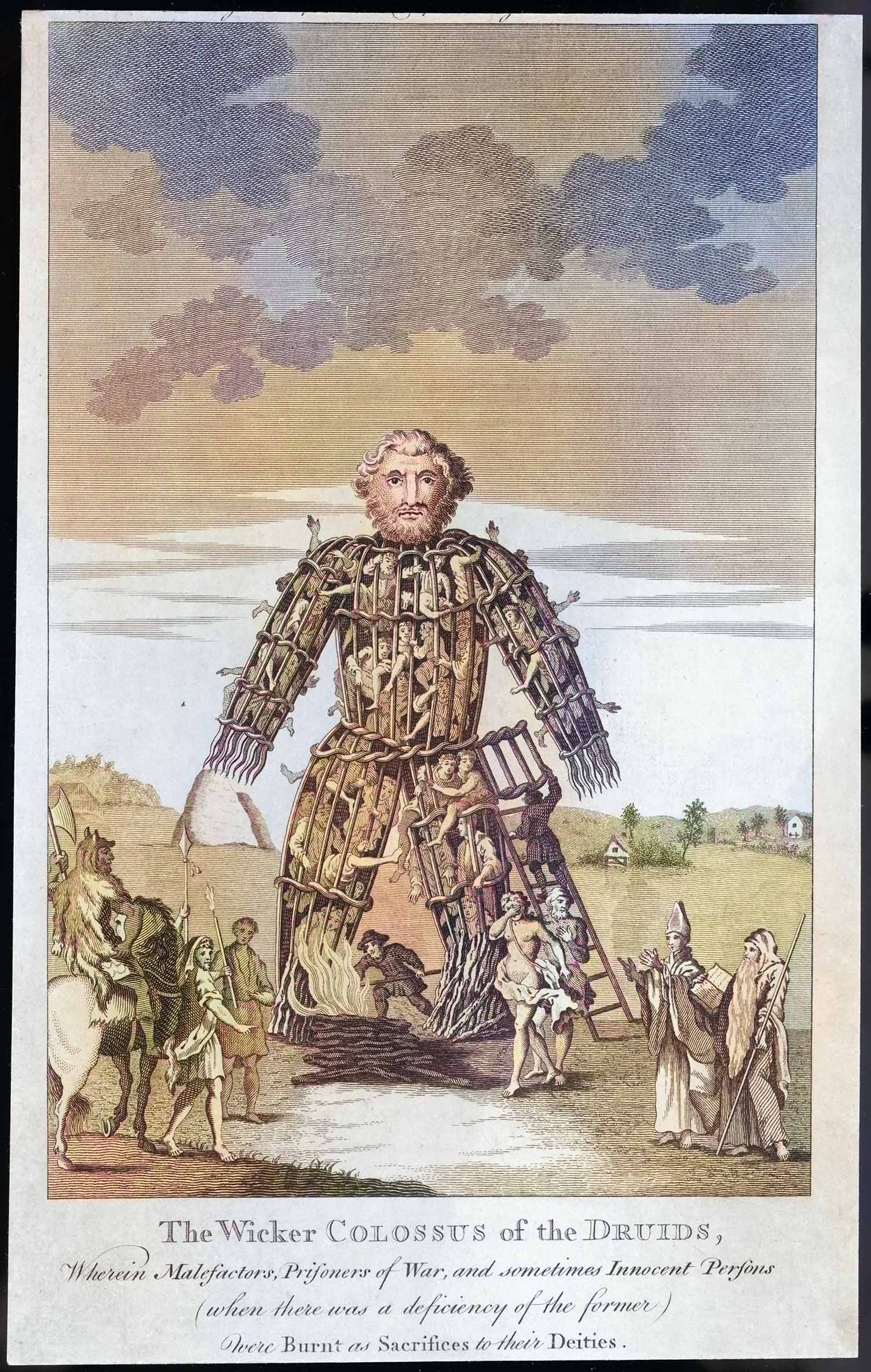
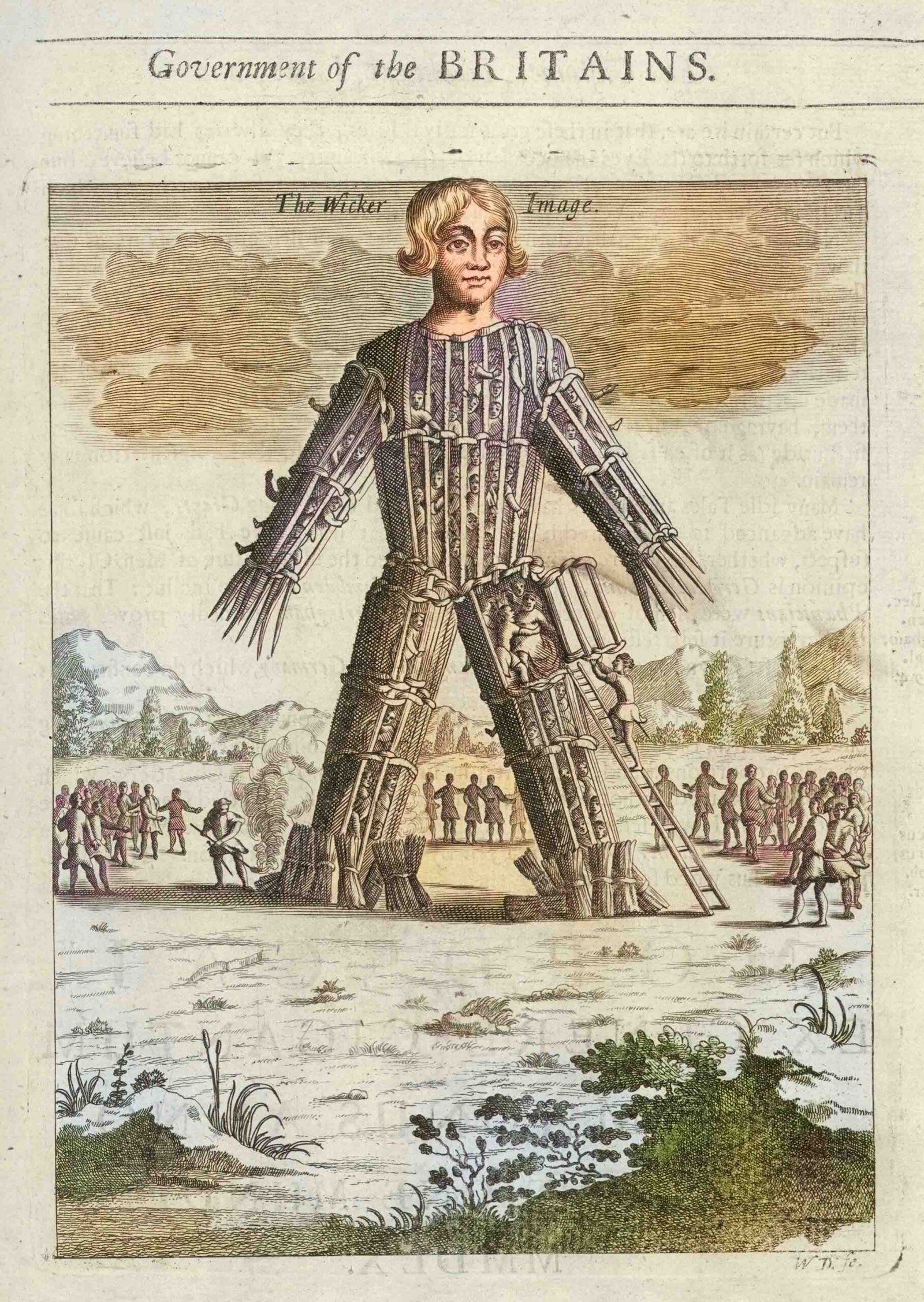
Caesar noted that those found guilty of theft or other criminal offenses were preferred for use as sacrifice victims, but when criminals were in short supply, innocent citizens were used. A form of sacrifice recorded by Caesar was the burning alive of victims in a large woven effigy made of willow, known later as a Wicker Man.
4.🛍️ The Celtic Industrial Economy
The introduction of advanced ironworking techniques from southern Europe completely revolutionized northern European life.
Agricultural Breakthroughs
Iron-tipped plowshares allowed the Celtic commoners to cultivate heavy, fertile clay soils that previous Bronze Age tools could not breach. Archaeologists executing developer-led excavations in Britain have revealed a heavily managed Iron Age landscape neatly partitioned into square “Celtic fields,” rotating crops of wheat and barley alongside managed woodlands for timber production. In more rugged highland zones, like Wales and Scotland, the economy shifted heavily toward pastoralism, focusing on sheep for wool textiles and massive herds of cattle.
The Rise of Oppida (The First Cities)
The ultimate proof of Celtic economic centralization is the appearance of oppida. These were massive, heavily fortified urban centers covering anywhere from 30 to over 100 hectares.
- Bibracte (France): Spanning 135 hectares, excavations here have uncovered distinct industrial zones where thousands of blacksmiths, coin-mints, and glassmakers worked.
- Corent (France): Features a centralized marketplace and public sanctuary explicitly designed to regulate trade and redistribute craft surpluses under the watchful eye of tribal magistrates.
- Camulodunum (Modern Colchester, UK): Functioned as a territorial powerhouse, serving as a concentrated center for elite political control and massive grain storage.
The Invention of Currency
To facilitate massive trade volumes, Celtic chiefdoms transitioned away from pure barter economies. By the 2nd century BCE, tribes in Gaul and Southern Britain were minting their own gold, silver, and potin coins. These coins were initially stamped with artistic imitations of Macedonian Greek currency but quickly evolved into distinct regional tribal coinages used to pay standing armies, collect market taxes, and fund international merchant ventures.
5.⛵ Trans-Channel and Mediterranean Trade Networks
The English Channel was not a barrier; it was an international trade highway. Southern British tribes maintained deep political, familial, and economic alliances with mainland Gallic tribes.
Iron Age Britain
(Tin, Iron, Gold, Grain, Hides, Slaves)
Continental Gaul
(Pottery, Glass, Coins, Amphorae)
Mediterranean System
(Roman Wine, Etruscan Bronze, Luxury Ware)
The Metal Monopolies
Britain was the mineral treasure-house of Europe. The southwestern region of Cornwall held a near-monopoly on tin, an essential component for bronze manufacturing. British merchants extracted this tin alongside high-grade iron and gold, shipping raw ingots across the Channel to French ports. From there, the goods traveled down the Seine and Rhône river systems directly into Mediterranean networks.
The Wine Influx
In return for raw metals, grain, hides, and slaves, Mediterranean merchants—particularly from the Roman Republic—flooded Celtic lands with luxury status goods. Archaeological excavations at the oppidum of Corent have revealed literal tonnes of broken Roman wine amphorae.
Elites controlled this lucrative trade, utilizing vast communal feasts to share imported wine and Italian bronze drinking vessels with lower-ranking followers. By supplying these exotic luxuries, chiefs successfully “engineered consent” and solidified their hereditary grip on political power.
6.📚 Archaeologically Proven References for Further Reading
To explore these peer-reviewed discoveries further, consult these definitive texts:
- Brun, Patrice (1995). From Chiefdom to State Organization in Celtic Europe. An authoritative study tracking the technical innovations, monetization, and rise of urban oppida north of the Alps.
- Cunliffe, Barry (2005). Iron Age Communities in Britain. The definitive archaeological framework analyzing hillfort excavations, agricultural field systems, and trans-channel trade networks.
- Fernández-Götz, Manuel (2018). Urbanization in Iron Age Europe: Trajectories, Patterns, and Social Dynamics. Explores the architectural layout and state-like institutions found in capitals like the oppidum of Corent.